When considering home construction or renovation, many overlook door thresholds. What is the function of door thresholds? They serve crucial roles in both practicality and aesthetics. Door thresholds are the strips of material at the bottom of doorways, linking two spaces. They help manage transitions between different flooring types.
These thresholds can prevent drafts and moisture from entering your home. They also provide a barrier against dirt and other elements. While often seen as mere decor, their importance cannot be understated. Many face challenges, like selecting the right materials. It's easy to underestimate their function, but doing so can lead to issues down the line.
Understanding thresholds requires consideration of their design and material. Each choice has long-term implications. Homeowners should reflect on their needs and the environment surrounding their home. A well-chosen threshold can enhance both safety and style. Yet, poor selection may compromise energy efficiency or aesthetics. In the complexity of home improvement, door thresholds deserve careful thought.
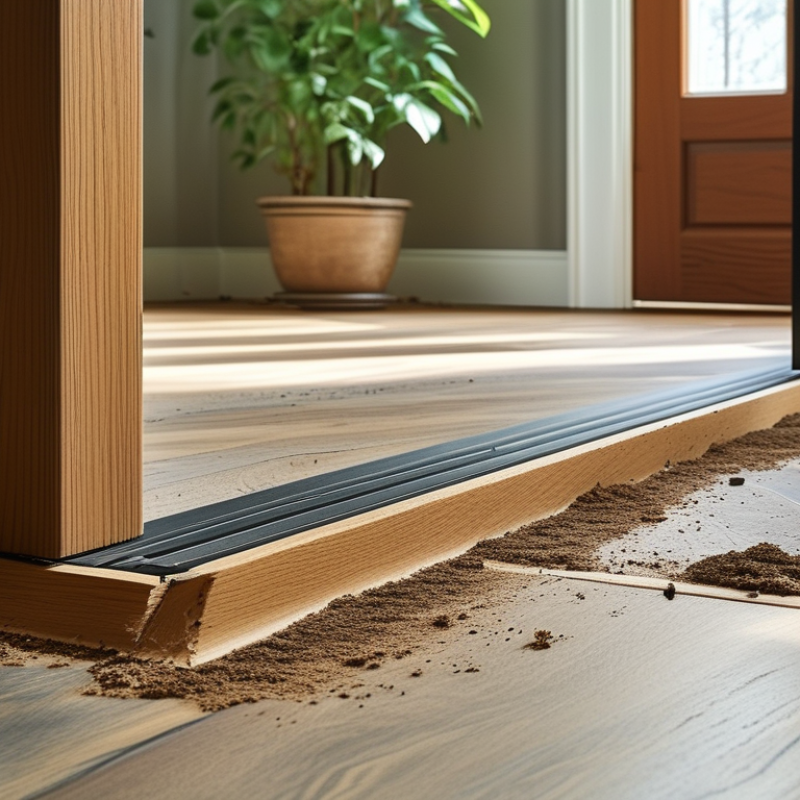
Door thresholds play a crucial role in both functionality and aesthetics. A threshold is the strip found at the bottom of a doorway. Its primary purpose is to create a smooth transition between two spaces. It helps seal the doorway against air, moisture, and insects. This sealing can improve energy efficiency, a vital point in energy audits. According to a report by the U.S. Department of Energy, a well-sealed home can save up to 20% on heating and cooling costs.
In addition to insulation, thresholds contribute to safety. They provide a barrier between different flooring types, preventing slips and falls. A study by the National Floor Safety Institute points out that uneven transitions are a significant cause of injuries in homes. Choosing the right material and height for your threshold is essential for both safety and convenience.
**Tips:** Ensure your threshold is level for safety. Regularly inspect for wear and damage. Replace thresholds that show signs of deterioration. A small investment in maintenance can prevent larger issues.
| Dimension | Description | Purpose |
|---|---|---|
| Material | Wood, metal, vinyl, or composite materials | To provide durability and match the aesthetic of the door |
| Height | Typically ranges from 1/2 inch to 1 inch | To allow for ease of movement while maintaining a seal |
| Weather Resistance | Features like rubber seals or weather stripping | To prevent drafts, moisture, and insects from entering |
| Sound Insulation | Acoustic dampening materials | To reduce noise transfer between rooms |
| Accessibility | Lowered thresholds for wheelchair access | To ensure ease of entry for all users |
: Common materials include wood, metal, concrete, and stone. Each material has unique benefits and drawbacks.
Wood thresholds offer beautiful designs. However, they may warp over time and need regular maintenance.
Weather-resistant materials prevent water intrusion and air leaks. This helps maintain comfort indoors.
Durability should be prioritized in high-traffic areas. Lightweight materials may not withstand constant use.
Blending materials, like a wood design with a metal core, can offer both beauty and strength.
Start by measuring the door frame accurately for a perfect fit. This is often overlooked but essential.
Use a level to check that the threshold sits evenly on the floor. This helps prevent drafts and leaks.
Look for cracks or warping as signs of wear. Regular inspections can prevent bigger issues later on.
Caulking or replacing damaged sections are easy repair options. These minor fixes can improve comfort significantly.
Small details, often overlooked, can impact your home’s energy efficiency and comfort. Take time to make necessary adjustments.
Door thresholds play a crucial role in the overall functionality and aesthetics of a building entrance. What is the function of door thresholds? They serve several purposes, including providing a transition between different flooring surfaces, preventing drafts and water ingress, and enhancing energy efficiency by acting as an insulator. Different types of thresholds, such as raised, flat, or adjustable, address specific needs depending on the location and use of the door.
When constructing door thresholds, considerations regarding materials are essential for durability and performance. Common materials include wood, metal, and rubber, each offering unique benefits. Proper installation and maintenance of door thresholds are vital for ensuring they function effectively over time, contributing to the overall insulation and energy conservation of the space they protect. By understanding these aspects, homeowners and builders can make informed decisions that enhance comfort and efficiency in their living or working environments.

 Globe Hardware