The commercial door hardware industry is evolving rapidly. As organizations seek improved security and efficiency, new technologies emerge. What is the future of commercial door hardware? According to recent industry reports, the global market is projected to grow significantly, reaching over USD 25 billion by 2025. This growth is driven by the increasing focus on safety and automation.
Environmental concerns are also shaping the industry. The demand for eco-friendly materials is rising. Studies show that 60% of companies prioritize sustainable practices in their procurement. Additionally, advancements in smart technology are becoming crucial. Smart locks and access control systems are redefining convenience and security.
Despite these advancements, challenges remain. Many organizations face difficulties in integrating new technologies. Budget constraints can hinder the adoption of innovative solutions. Stakeholders must navigate these complexities to stay competitive. The future of commercial door hardware depends on balancing innovation with practical considerations.
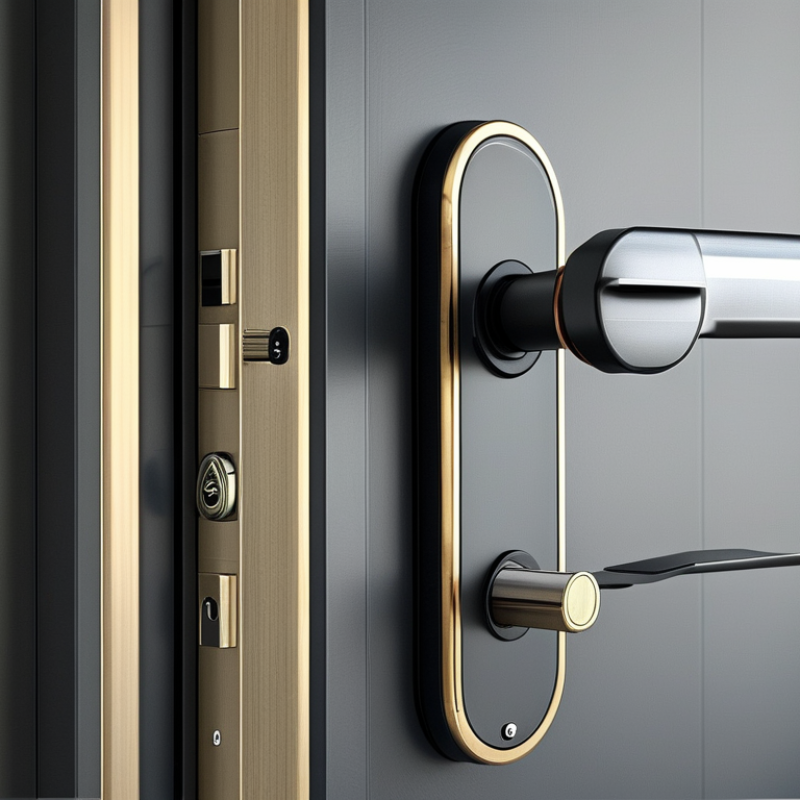
The rise of smart technology in commercial door hardware is transforming the industry. With 72% of businesses now adopting smart access systems, it's reshaping how facilities manage security. These systems offer real-time monitoring and remote access capabilities. They enhance convenience while also improving safety protocols.
Research indicates that smart locks can reduce security breaches by up to 50%. This is significant for many organizations. However, the technology is not without its challenges. Many users worry about potential cybersecurity risks. Ensuring the security of personal data remains crucial.
Integrating smart hardware can incur high initial costs. This causes hesitation for some businesses. It's essential for companies to weigh the benefits against these factors. Adoption requires a thorough understanding of both hardware and software needs. In the ever-evolving market, traditional hardware must adapt to stay relevant. The shift towards smart technology is exciting but demands careful consideration.
| Trend | Description | Impact |
|---|---|---|
| Smart Locks | Locks that integrate with smartphones for keyless entry. | Enhanced security and convenience. |
| Biometric Access | Utilization of fingerprints and facial recognition for access control. | Increased security and reduced unauthorized access. |
| Mobile Credentials | Access granted through mobile devices instead of traditional keys. | Flexibility and real-time access changes. |
| Contactless Technology | Use of NFC/RFID for touchless access. | Improved hygiene and user experience. |
| Cloud-Based Management | Centralized control of access systems through cloud services. | Simplified management and scalability. |
| Integration with Building Management Systems | Harmonization with smart building technologies. | Enhanced operational efficiency. |
| AI-Driven Security Insights | Utilizing AI for predictive security analysis. | Proactive security measures. |
| Durability and Sustainability | Focus on eco-friendly materials and durability. | Long-term cost savings and environmental benefits. |
| Enhanced User Experience | Focusing on user-friendly design and accessibility. | Increased satisfaction and engagement. |
| Remote Monitoring | Ability to monitor door systems from remote locations. | Enhanced security response and management. |
: Smart technology is transforming commercial door hardware, enhancing security and convenience for businesses.
About 72% of businesses are integrating smart access systems for improved security management.
Smart locks can reduce security breaches by up to 50%, significantly enhancing protection for organizations.
Many users worry about cybersecurity risks and the overall security of personal data with smart technology.
High initial costs can deter companies from adopting smart hardware, despite the potential benefits.
Evaluate existing access control measures and identify specific security requirements before upgrading.
Updating hardware alone is not enough; integrating it with existing security systems is crucial for effectiveness.
No, the suitability of smart locks varies; expert advice can help tailor solutions to specific environments.
Regular assessments are essential to identify weaknesses and adapt to evolving security needs.
Keeping up with trends is vital for making informed decisions about security solutions in changing environments.
What is the future of commercial door hardware? The landscape of commercial door hardware is undergoing significant transformation driven by multiple trends. The emergence of smart technology is redefining user interaction, offering features like remote access and automated locking systems that enhance convenience and security. Simultaneously, sustainability trends are pushing for eco-friendly materials and designs, as companies increasingly prioritize environmentally responsible practices.
Security remains a crucial aspect, with advancements in features such as biometric access and integrated surveillance systems ensuring safer environments. Additionally, aesthetic design is becoming more important, influencing hardware choices to create visually appealing spaces that reflect brand identity. Lastly, the integration of IoT in building management is reshaping how door systems operate, enabling more efficient control and monitoring. Collectively, these trends highlight a dynamic future for commercial door hardware, emphasizing innovation, safety, and sustainability.

 Globe Hardware