Top 10 Ways to Improve Door Energy Efficiency?

Time:2026-07-27 Author:Oliver
0%

When considering energy efficiency, doors often receive less attention than windows or walls. However, doors play a significant role in maintaining a home’s temperature. Understanding how to improve door energy efficiency is vital for reducing energy costs and enhancing comfort. An efficient door minimizes drafts and heat loss, impacting both your wallet and the environment.

It's easy to overlook simple improvements. Many homeowners may not realize that adjusting door sweeps, sealing gaps, or choosing energy-efficient materials can have substantial benefits. These changes lead to a noticeable difference in airflow and temperature control.

Improving door efficiency requires a bit of time and investment. However, the long-term savings and environmental impact can be compelling. As you consider the ways to enhance door energy efficiency, keep in mind that even small adjustments can create a warmer, more inviting home. It’s essential to reflect on current practices and be open to change for a more sustainable future.
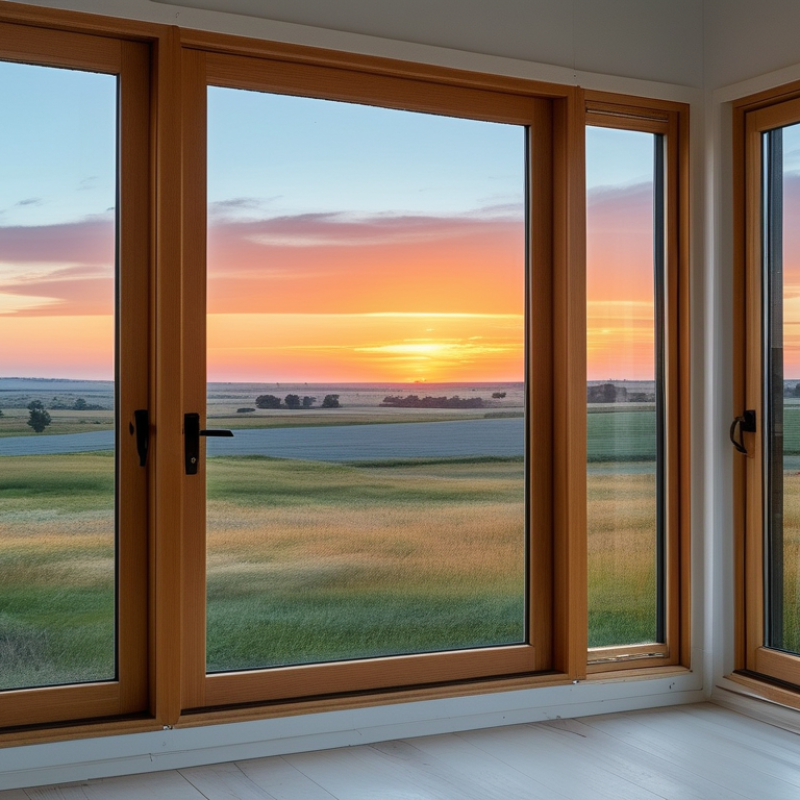
Top 10 Ways to Improve Door Energy Efficiency?

Understanding Door Energy Efficiency and Its Importance

Energy efficiency in doors is crucial for maintaining comfortable indoor environments. Well-designed doors reduce heat loss and prevent drafts. This not only enhances comfort but also lowers energy bills. Insulation materials and proper seals are key. They act as barriers against cold or heat from entering or escaping.


Understanding door energy efficiency is vital in today's energy-conscious world. Many people overlook doors when considering energy conservation. A poorly insulated door can be a significant energy leak. It’s essential to check door frames and hinges for gaps. Even small openings can lead to increased heating and cooling costs. Regular maintenance is necessary to keep doors functioning efficiently.


Educating yourself about door options can pay off. Look for energy ratings when purchasing doors. Pay attention to their materials, thickness, and design. Investing in quality doors can contribute to long-term energy savings. However, not everyone knows the importance of this investment. Many updates are often neglected, despite their potential benefits. Taking small steps towards energy-efficient doors can lead to great improvements in home energy management.

Identifying Common Energy Loss Points in Doors

When it comes to energy loss in homes, doors are often overlooked. In fact, studies show that doors can account for up to 15% of total energy loss. Identifying common energy loss points in doors is vital for improving energy efficiency.

One significant area to inspect is the door frame. Gaps or misalignments can create airflow issues. In older homes, improper sealing is common. A simple weather strip can mitigate this loss. Adjusting or replacing the door hinges might also reduce gaps.

Another point to consider is the material of the door itself. Solid wood doors offer better insulation than hollow ones. However, a well-insulated door can still be ineffective if not sealed properly. Regularly checking for cracks in the door surface helps in maintaining energy efficiency.

Tip: Use a door sweep to block the gap at the bottom. This small addition can prevent drafts from sneaking in. Additionally, consider adding a storm door. It acts as a barrier against the elements, enhancing the primary door's efficiency.

Addressing these common energy loss points can significantly lower heating and cooling costs. While we often focus on windows, doors also play a crucial role in maintaining a comfortable home.

Top 10 Ways to Improve Door Energy Efficiency

Strategies for Weatherstripping and Sealing Door Leaks

Weatherstripping is a crucial aspect of enhancing door energy efficiency. Properly sealing door gaps can significantly reduce energy loss. Air leaks can account for a large portion of heating and cooling expenses. A well-sealed door can help maintain a comfortable indoor climate.

One effective tip is to replace old weatherstripping. Materials can deteriorate over time. Look for signs of wear or damage. If you notice cracks or gaps, it’s time for a replacement. Self-adhesive foam tape is easy to install and can fit most door types.

Another strategy is to use door sweeps. These are installed at the bottom of the door to block airflow. They can prevent drafts and pests from entering your home. Make sure the door sweep completely covers the gap. You might need to adjust it for a tight seal.

Regularly inspect doors for leaks. Use a candle or incense stick to detect drafts. This simple technique can reveal hidden gaps. Addressing these areas promptly will enhance efficiency in the long run. Small changes can make a significant impact on energy costs.

Selecting Energy-Efficient Materials for Doors

Selecting energy-efficient materials for doors is crucial in enhancing overall energy performance. According to the U.S. Department of Energy, replacing old doors with energy-efficient models can save homeowners up to 20% on heating and cooling costs. The insulation value of materials plays a significant role in energy efficiency. Doors made from fiberglass or insulated steel often outperform traditional wooden doors. These materials can drastically reduce heat transfer, thus maintaining a stable indoor temperature.

Another key element is the thermal rating, measured by the R-value. Higher R-values indicate better insulation. Standard wooden doors usually have an R-value of 3 to 5, while energy-efficient doors can achieve R-values up to 10. This difference translates to fewer drafts and lower energy bills. Also, doors with double or triple-pane glass provide excellent thermal insulation, minimizing energy losses through windows.

It's important to question your approach. While many homeowners focus on aesthetics, energy efficiency can be overlooked. Choosing vibrant colors and trendy designs is tempting, but prioritizing the right materials is essential. Without proper insulation, even the most stylish door can't combat high energy costs. Homeowners should reflect on their choices and consider the long-term benefits of investing in energy-efficient door materials.

Top 10 Ways to Improve Door Energy Efficiency

Method Description Energy Savings (%) Material Type
Use Insulated Doors Opt for doors that have insulating foam cores. 30% Fiberglass, Steel
Select Low-E Glass Choose doors with low-emissivity glass to minimize heat transfer. 25% Glass
Seal Gaps and Cracks Use weatherstripping to seal any gaps around doors. 15% Varies
Install Storm Doors Add a storm door as an extra barrier against extreme conditions. 20% Aluminum, Vinyl
Choose Solid Core Doors Select solid wood or composite doors instead of hollow cores. 28% Wood, Composite
Utilize Door Sweeps Install sweep at the bottom to block drafts. 10% Rubber, Vinyl
Upgrade Hardware Use high-quality hardware for better closure and security. 5% Metal
Consider Magnetic Seals Use magnetic seals for a tighter fit that prevents air leaks. 12% Plastic, Rubber
Perform Regular Maintenance Keep doors and seals in good condition to ensure efficiency. Variable N/A
Optimize Door Placement Consider the orientation to reduce exposure to harsh temperatures. Variable N/A

Regular Maintenance Practices to Enhance Door Performance

Regular maintenance of doors is crucial for energy efficiency. Many homeowners overlook this aspect, leading to increased energy costs. Keeping doors in optimal condition not only saves money but also enhances comfort. Simple tasks can make a significant difference in performance.

Check door seals to ensure they are intact. Worn or damaged seals allow drafts and energy loss. Replace them when necessary. Additionally, lubricate hinges and locks regularly. This prevents wear and tear, ensuring smooth operation. A well-maintained door fits snugly, reducing the chances of energy wastage from air leaks.

Another essential practice is to perform visual inspections. Look for cracks or gaps around the door frame. These issues can be easily fixed with weatherstripping or caulk. Regular checks help spot problems early. Waiting until issues worsen can lead to costly repairs. Invest time in maintenance to extend your door's lifespan and improve energy use.

FAQS

: Why is energy efficiency in doors important?

: Energy efficiency in doors helps maintain comfortable indoor temperatures and lowers energy bills.

How do poorly insulated doors affect energy loss?

Poorly insulated doors can lead to significant energy leaks, increasing heating and cooling costs.

What are common energy loss points in doors?

Common points include gaps in the door frame and misaligned hinges that allow airflow.

How can I improve my door's energy efficiency?

Use weather strips, door sweeps, and consider adding storm doors to reduce drafts.

What materials are more energy-efficient for doors?

Fiberglass and insulated steel doors often outperform traditional wooden doors in energy efficiency.

What is the R-value and why does it matter?

The R-value measures insulation effectiveness. Higher R-values mean better insulation and lower energy costs.

How can aesthetics impact door efficiency choices?

Prioritizing style over materials can lead to high energy expenses despite an attractive appearance.

How often should I check my doors for efficiency?

Regular maintenance is necessary to ensure doors are functioning efficiently and seals are intact.

What role do door sweeps play in energy efficiency?

Door sweeps block gaps at the bottom of doors, effectively preventing drafts from entering.

Why do homeowners often neglect door updates?

Many overlook doors while focusing on windows and other home features, missing potential energy savings.

Conclusion

Improving door energy efficiency is crucial for enhancing home comfort and reducing utility bills. To understand how to improve door energy efficiency, one must first recognize common energy loss points, such as gaps around the door frame and inadequately sealed edges. Implementing effective weatherstripping and sealing techniques can significantly minimize these leaks, ensuring a better thermal barrier.

Choosing energy-efficient materials for doors can also play a vital role in enhancing overall performance. Furthermore, regular maintenance practices, like inspecting seals and hinges, help sustain the door's energy efficiency over time. By addressing these key areas, homeowners can effectively contribute to energy conservation and enjoy a more energy-efficient living space.

Oliver

Oliver

Oliver is a seasoned marketing professional with a wealth of expertise in driving brand awareness and engagement. With a deep understanding of our company's product offerings, he consistently delivers high-quality content that enriches our professional blog. His insights not only shed light on......