Creating a peaceful home environment is essential for well-being. Noise can disrupt relaxation and sleep. Therefore, understanding how to reduce noise with door seals becomes important. Door seals are a simple yet effective solution for minimizing unwanted sound.
Many homes, especially older ones, struggle with noise infiltration. A well-sealed door can significantly block outside disturbances. Various types of door seals, such as weatherstripping and soundproofing tape, can be used. These materials work to fill gaps, keeping noise at bay.
However, choosing the right seal can be challenging. Homeowners need to assess their specific needs. Some door designs may not accommodate certain seals effectively. Seeking expert advice can be beneficial in making the right choice. Evaluating the installation process is crucial, as improper application may lead to subpar results. Ultimately, improving your home's tranquility requires thoughtful consideration of how to reduce noise with door seals.
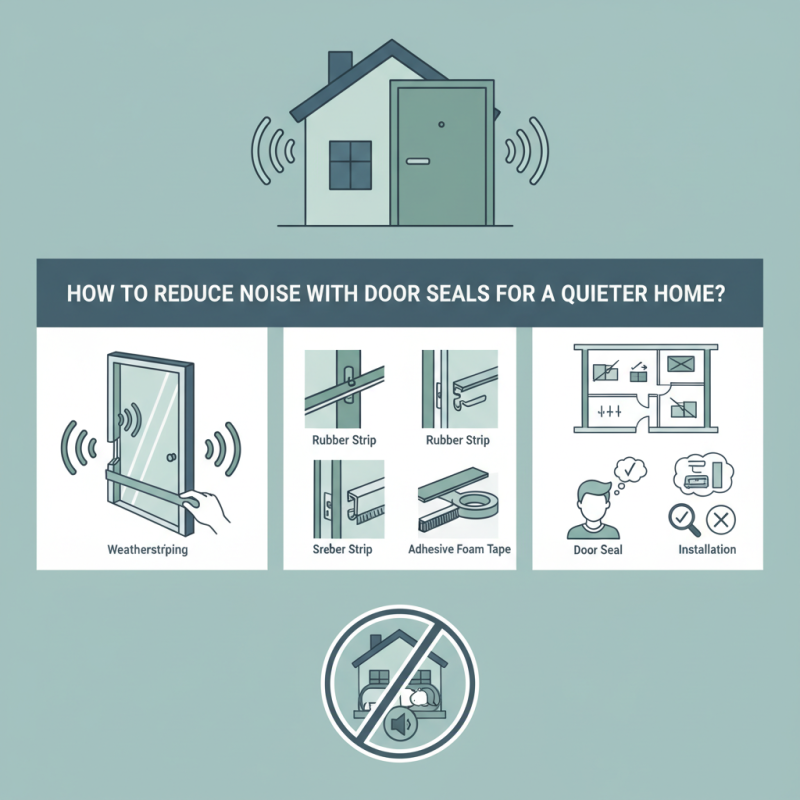
Understanding Noise Pollution in Homes
Noise pollution is an often-overlooked issue in modern homes. It can disrupt daily life, harm mental health, and reduce overall comfort. Common sources include traffic, neighbors, and household appliances. Understanding these factors is the first step toward creating a more peaceful living environment.
Effective solutions exist to combat noise pollution, with door seals being a practical choice. These seals fit around the edges of doors, reducing sound leakage. They provide an immediate benefit, but installation may require some trial and error. Different materials offer varying degrees of soundproofing. Not every seal is perfect for every door, so experimenting is key.
People may underestimate the importance of these simple solutions. It’s easy to think noise is just part of life, but that mindset may lead to discomfort. By actively addressing noise pollution through door seals and other methods, homeowners can cultivate a quieter and more enjoyable space. The journey toward a serene home involves ongoing adjustments and reflections on what truly works for individual needs.
The Importance of Door Seals in Noise Reduction
When it comes to controlling noise levels in your home, door seals play a critical role. According to the Acoustical Society of America, approximately 50% of indoor noise pollution originates from outside sources. This suggests that effective door seals can significantly decrease unwanted sounds from entering your living space. A study by the National Institute of Standards and Technology indicates that properly installed seals can reduce sound transmission by over 25 decibels. This reduction can lead to a noticeably quieter environment, enhancing comfort and overall well-being.
Door seals not only address noise issues but also improve energy efficiency. According to the Department of Energy, gaps around doors can account for 20-30% of your heating and cooling costs. This means that neglecting to install proper seals not only exposes you to noise but also increases your energy bills. However, many homeowners overlook the condition of their door seals. Seals can wear out or become damaged over time, leading to decreased effectiveness. Regular inspection and replacement can ensure you receive the full benefits.
Investing in quality door seals is worth considering. While some might view it as a minor detail, the impact on indoor acoustics and energy savings can be substantial. Understanding the importance of door seals in noise reduction could fundamentally change your approach to home improvement. Make the effort to evaluate your space, and you might find a quieter haven waiting behind an unassuming door.
Noise Reduction Through Door Seals
Types of Door Seals and Their Effectiveness
When it comes to reducing noise in your home, door seals play a crucial role. There are various types of door seals available, each with differing effectiveness. Weather strips are among the most common. These are usually made from foam or rubber and can block drafts and sound. They are easy to install and affordable, making them a popular choice.
Another option is bottom door seals, which fit snugly against the floor. These seals create a barrier against noise and air leaks. They often come with adjustable features, ensuring a perfect fit for any door. If you have larger gaps, consider using a door sweep for maximum sound reduction. This type of seal provides a more comprehensive solution by covering more surface area.
**Tips:** Choose seals that match your door type for better results. Regularly check for wear and replace as needed. Even small gaps can let in substantial noise. Seals are not a permanent solution; they require ongoing maintenance. Pay attention to the installation process, as improper fitting can reduce their effectiveness. Ensure a snug fit for optimum soundproofing.
How to Reduce Noise with Door Seals for a Quieter Home? - Types of Door Seals and Their Effectiveness
| Type of Door Seal |
Material |
Noise Reduction (dB) |
Installation Difficulty |
Longevity |
| Strip Seals |
Foam, Rubber |
15-25 dB |
Easy |
3-5 years |
| Sweeps |
Aluminum, Vinyl |
20-30 dB |
Moderate |
5-10 years |
| Magnetic Seals |
Rubber, Magnetic Material |
25-35 dB |
Moderate to Hard |
10+ years |
| Acoustic Seals |
Specialized Foam |
30-40 dB |
Difficult |
20 years |
| Threshold Seals |
Rubber, Wood |
15-20 dB |
Easy |
5-8 years |
Step-by-Step Guide to Installing Door Seals
Installing door seals is a practical way to minimize noise in your home. Start by measuring the space around your door. Use a tape measure to find the width and height. This ensures you select the right size seals. Pay attention to gaps. Even small spaces can let sound in.
Next, select the appropriate type of seal. Foam, rubber, or adhesive strips are common options. Each material has its benefits. Foam is easy to install but may wear out faster. Rubber is durable but can be more challenging to apply. Choose what fits your needs.
After gathering materials, clean the door surface thoroughly. Dust and grime can prevent proper adhesion. Apply the seal according to the manufacturer’s instructions. It's essential to press firmly to ensure a good bond. Sometimes, it might take time for the seal to stick properly. Patience is key here. Be prepared to make adjustments after installation. Listen for any remaining noise. If necessary, adjust the position of the seal for better coverage. This is part of the learning process.
Additional Tips for Enhancing Noise Control in Your Home
When it comes to enhancing noise control in your home, several practical tips can make a significant difference.
One effective method is to add rugs and carpets to your living spaces.
These soft materials absorb sound, reducing echoes and preventing noise from traveling. A plush area rug can be a stylish solution while simultaneously deadening sound.
Consider using heavy curtains as well.
Thick curtains can block outside noise, creating a more peaceful environment.
This small change can lead to quieter evenings and improved sleep quality.
Additionally, wall hangings and padded furniture can contribute to a quieter atmosphere by absorbing sound waves.
Another aspect to consider is sealing gaps in windows and doors. Even small openings can let in unwanted sounds.
A quick inspection can identify areas that need attention. Use weather stripping or caulk to address these issues.
Remember, every little adjustment counts.
Reflecting on these changes can lead to a noticeably quieter home.
FAQS
: Door seals are essential for minimizing outside noise. They significantly decrease unwanted sounds in your living space.
Properly installed seals can reduce sound transmission by over 25 decibels. This creates a noticeably quieter environment.
Gaps around doors can cause 20-30% of heating and cooling costs. Effective seals help save on energy bills.
Door seals can wear out or become damaged. Neglecting them can lead to decreased effectiveness.
Foam, rubber, and adhesive strips are popular options. Each offers unique benefits and installation challenges.
Measure the space around your door. Accurate measurements ensure you select the right size seals.
Clean the door surface thoroughly. Dust can prevent proper adhesion of the seal.
Listen for remaining noise and adjust the position of the seal for better coverage. It's part of the process.
Rugs absorb sound and reduce echoes. They’re both stylish and practical for minimizing noise.
Thick curtains and padded furniture can help absorb sound. Every small adjustment contributes to a quieter home.
Conclusion
Reducing noise in your home is essential for creating a peaceful environment, and one effective method is understanding "How to reduce noise with door seals." Noise pollution can significantly impact your quality of life, making it crucial to implement solutions that minimize disturbances. Door seals play a vital role in blocking unwanted sounds, acting as a barrier between your living space and external noise sources.
In exploring the types of door seals, you'll find various options that vary in effectiveness depending on your specific needs. Installing door seals is a straightforward process that follows a step-by-step guide, ensuring a proper fit to maximize soundproofing benefits. Additionally, consider supplementary measures, such as rugs or soundproofing curtains, to further enhance noise control in your home. With these strategies, you can significantly lower noise levels and enjoy a quieter, more comfortable living space.

 Globe Hardware