When it comes to installing continuous hinges, doing it correctly is essential. Continuous hinges provide smooth operation and enhanced durability for doors. Misalignment during installation can lead to issues like improper closure or excessive wear. Knowing how to install continuous hinges correctly is crucial for the longevity of your doors.
Many might underestimate the complexity of this task. Precision and attention to detail are essential. You must measure accurately and ensure that the hinge is level. Choosing the right hardware is equally important. The quality of hinges matters. Poor quality can result in a faulty installation.
Remember that practice makes perfect. Even skilled professionals can face challenges. It’s okay to reflect on past installations for learning. Consider seeking expert advice if uncertain. By mastering the steps to install continuous hinges correctly, you’ll enhance your skills and improve door functionality.
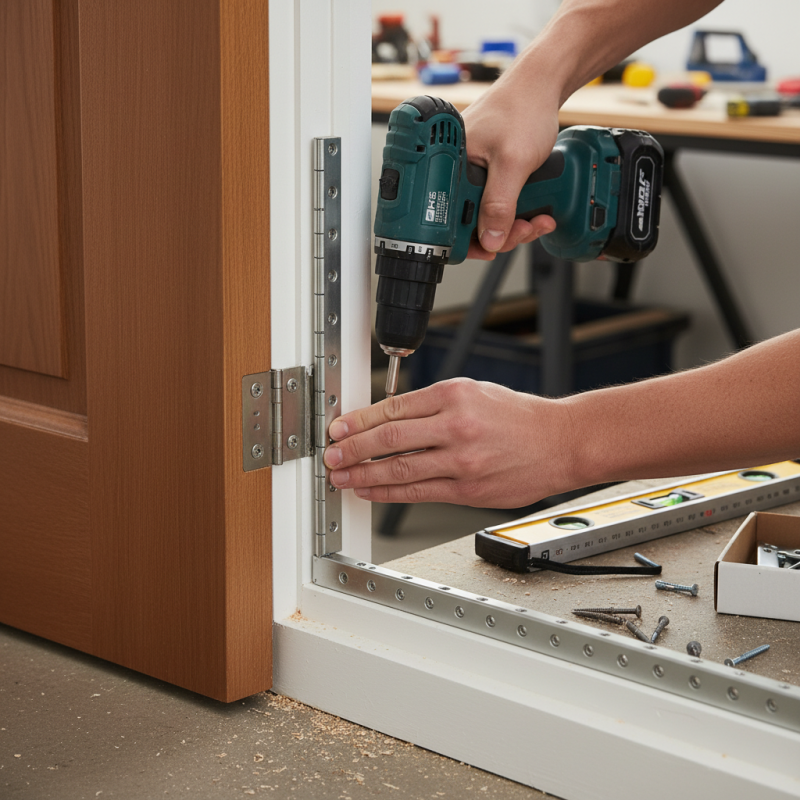
Choosing the right continuous hinge material is crucial for ensuring durability and functionality. Different projects require specific materials based on environmental factors and usage. Stainless steel is often favored for its strength and rust resistance, making it ideal for outdoor applications. However, it can be overkill for indoor projects or light-duty applications. On the other hand, aluminum is lightweight and cost-effective, but it may not withstand heavy use as effectively.
Consider the environment where the hinge will be installed. Humidity and exposure to chemicals can significantly affect the hinge lifespan. For example, brass hinges offer an attractive finish but are less suitable for wet areas due to corrosion. Sometimes, budget constraints may lead you to less ideal materials, which can result in frequent replacements or maintenance. This can be frustrating and costly over time.
It’s essential to assess the weight of the door or gate that the hinge will support. Heavy doors need sturdier materials, while lighter options can work for smaller or less-used doors. Failing to match the hinge material to the needs of the project can lead to problems. Evaluate your specific requirements carefully, and do not skimp on quality.
When installing continuous hinges, proper measurement and preparation are critical. A well-executed installation maximizes durability. According to a report by the Steel Door Institute, improper hinge installation leads to a staggering 30% of door-related failures in commercial settings. This highlights the importance of precise measurements before you begin.
Clear the installation area of any debris or obstacles. Use a level to ensure that the surface is even. Measure the door’s height, width, and thickness with care. Double-check these figures, as even a slight discrepancy can lead to functional issues. Most experts advocate a minimum clearance of 1/8 inch between the door and the frame. This is essential to prevent binding and wear.
Mark the hinge locations before drilling. The distance from the top and bottom hinges should be uniform, often around 10 inches from the edge. This placement helps distribute weight evenly, increasing longevity. Additionally, using a template can streamline this process. Remember, taking the time to prepare now will save frustration and repairs later on. Many installers overlook this step, leading to costly mistakes. Careful preparation today pays off tomorrow.
Installing continuous hinges requires careful alignment for optimal performance. Properly aligning your continuous hinges ensures smooth operation and reduces wear. Begin by marking the placement of the hinges on both the door and the frame. Make sure the measurements are accurate. A slight misalignment can lead to larger issues later.
When securing the hinges, use a level to check the door's position. This step is crucial for the door to swing freely. Tighten screws gradually, as overtightening can warp the hinges. Allowing minor adjustments during installation can make a significant difference. Revisit the alignment after securing all screws.
Tips: Always test the door's movement after installation. If it feels heavy or drags, reassess your alignment. Use shims if necessary to achieve an even fit. Remember, patience is essential. Each step taken with care leads to a better result. Keeping a checklist of each step can help ensure nothing is overlooked.
When installing continuous hinges, securing them properly is key to their longevity. Use the right materials to ensure a strong attachment. The choice of screws can affect stability. It’s advisable to choose corrosion-resistant screws for outdoor applications. A poor choice may lead to early wear or malfunction.
Tips: Pre-drilling holes can help prevent wood splitting. This simple step improves alignment. Ensure to use a level to maintain proper positioning. Misalignment often causes unnecessary wear on the hinge.
Consider the weight distribution when installing. Heavier doors require more robust hinges and additional screws. Not addressing weight properly can result in hinge failure over time. Regularly check hinge performance to catch any issues early. Ensuring that hinges are clean and free of debris contributes to their lifespan, making maintenance an essential practice.
Maintaining and inspecting continuous hinges is critical for ensuring their optimal performance. Regular checks can significantly extend their lifespan. According to a report from the Door Hardware Institute, properly maintained hinges can last up to 30% longer than neglected ones. Observing signs of wear and tear is essential. Common issues include rust, misalignment, and excessive noise. These can lead to more significant problems if not addressed promptly.
Tip: Conduct inspections every six months. Look closely for any corrosion or degradation. If hinges are noisy, they might need lubrication or adjustment. Misaligned hinges can cause door sagging, leading to further wear. Regular maintenance is key to avoiding costly repairs later.
Long-term neglect can lead to hinge failure. Over time, even minor issues become significant defects. The cost of replacing hinges can be avoided with regular checks. Some industries report that poor maintenance increases operational costs by nearly 15%. This data highlights the importance of a proactive maintenance strategy. Investing time in simple inspections pays off tremendously. Engage with maintenance logs to track performance and address issues systematically.
: The right material ensures durability and functionality based on project needs and environmental factors.
Stainless steel is ideal for outdoor use due to its strength and rust resistance.
No, aluminum is lightweight and cost-effective but may not withstand heavy use effectively.
High humidity and exposure to chemicals can cause corrosion and shorten hinge life.
Choosing cheaper materials can lead to frequent replacements and higher long-term costs.
Correct installation ensures longevity and stability; poor installation can lead to premature wear.
Regular inspections and cleaning, along with addressing signs of wear, help extend hinge lifespan.
Check for rust, misalignment, noise, and signs of excessive wear to avoid bigger issues.
Inspections every six months are recommended to catch problems early and maintain performance.
Long-term neglect can lead to hinge failure, increasing replacement costs and operational expenses.
In the article "How to Install Continuous Hinges the Right Way?", readers will learn essential techniques for how to install continuous hinges correctly. The process begins with choosing the appropriate material for the hinges, which is crucial for the project's durability and functionality. Proper measuring and preparation of the installation area are addressed to ensure a smooth installation process.
The article then provides a step-by-step guide to aligning the hinges accurately, highlighting best practices for securing them to guarantee long-term performance. Additionally, it emphasizes the importance of maintaining and inspecting continuous hinges regularly to ensure optimal performance. By following these guidelines, users can achieve a successful installation and extend the lifespan of their continuous hinges.

Globe Hardware