How to Improve Door Energy Efficiency for Better Savings?

Time:2026-05-05 Author:Henry
0%

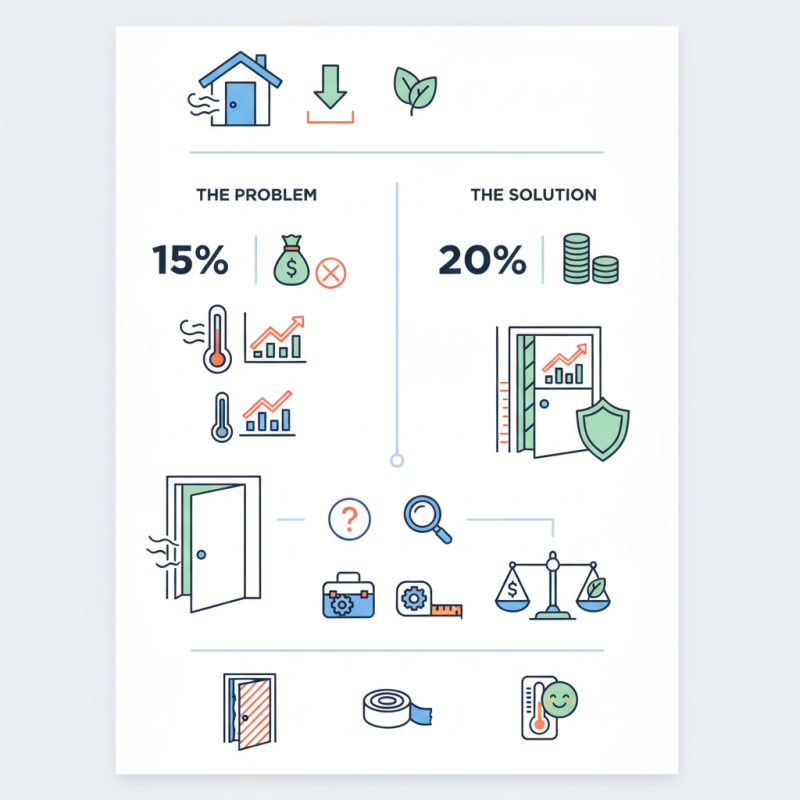
Improving door energy efficiency is critical for homeowners and businesses alike. According to the U.S. Department of Energy, doors account for 15% of heat loss in homes. By addressing this issue, significant savings can be achieved. Efficient doors can reduce energy costs by up to 20%. This means that understanding how to improve door energy efficiency is essential for financial and environmental motivations.

Many doors lack proper insulation or sealing, resulting in wasted energy. A report from the National Renewable Energy Laboratory highlights the potential for energy savings through better designs. However, not every solution is suitable for every situation. Custom solutions may be needed, and not all improvements are easily actionable. Thus, evaluating your current door setup is vital.

Investing in energy-efficient doors or retrofitting existing ones can seem daunting. Homeowners may struggle to identify the right products. While options like insulated doors and weatherstripping are popular, they aren’t always the best fit. It’s essential to weigh cost against potential savings. This article will explore effective strategies and products for enhancing door energy efficiency, ensuring that every decision leads to improved comfort and reduced bills.
How to Improve Door Energy Efficiency for Better Savings?

Understanding Door Energy Efficiency and Its Importance

Understanding door energy efficiency is crucial for reducing energy costs in homes and commercial spaces. Doors are often overlooked when it comes to energy conservation, yet they play a vital role. A poorly insulated door can lead to significant heat loss in winter and heat gain in summer. This results in higher energy bills and discomfort.

Proper sealing and insulation of doors are essential. Weatherstripping can be a simple yet effective solution. It helps to minimize drafts, making indoor spaces more comfortable. Additionally, doors should be made from energy-efficient materials that offer better insulation properties. Regular maintenance is also important. Inspecting doors periodically for damage and wear ensures they perform effectively.

Although many people focus on windows for energy efficiency, neglecting doors may cost them more. Investing time and resources into door efficiency brings long-term benefits. Reflecting on door performance can uncover areas for improvement. Small changes may lead to noticeable savings on energy bills.

How to Improve Door Energy Efficiency for Better Savings?

Dimension Value Unit
U-Factor 0.20 W/m²K
R-Value 5.0 m²K/W
Air Leakage Rate 0.3 cfm/ft²
Estimated Annual Energy Savings $150 USD
Average Door Lifespan 20 years
CO2 Emissions Reduced 0.25 ton/year

Common Door Types and Their Energy Performance

When considering door energy efficiency, understanding the type of door can make a difference. Solid wood doors are traditional choices. They offer good insulation but can warp over time. This may lead to gaps that allow air leakage. Regular maintenance is essential.

Fiberglass doors have gained popularity. They resist dents and rot better than wood. Their energy performance is often rated higher, especially when well-insulated. However, installation quality plays a crucial role. A poorly fitted door can negate any potential energy savings.

Steel doors are strong options, providing high security and good insulation. They are less prone to wear, but they can conduct heat and cold if not properly insulated. Energy-efficient models are available, but buyers should check for proper seals. The right choice depends on your specific needs and climate.

Energy Efficiency of Common Door Types

Effective Insulation Techniques for Doors

When it comes to improving door energy efficiency, effective insulation techniques are crucial. One of the simplest methods is weather stripping. By sealing gaps around doors, you can significantly reduce air leaks. This technique is both cost-effective and easy to install. Materials like foam tape or V-strip can be used, providing an immediate barrier against drafts.

Another effective approach is to add door sweeps. These are installed at the bottom of the door to prevent air from entering. A properly fitted door sweep can improve energy efficiency by blocking cold air during the winter and heat in the summer. Additionally, using solid core doors instead of hollow ones can improve insulation. Solid doors provide better thermal resistance, ultimately leading to lower energy bills.

Incorporating layered window films can also enhance door insulation. These films are designed to reflect heat, keeping your home comfortable. While installing these films requires time and effort, the results are often worth it. However, not every installation is perfect. Regular checks are necessary to ensure effectiveness. A slight misalignment can compromise insulation, making it essential to maintain these elements diligently.

Choosing Energy-Efficient Door Materials

When considering energy efficiency, door materials play a crucial role. Selecting the right material can significantly reduce energy loss. Traditional materials like wood may look appealing, but they often lack insulating properties. Instead, consider fiberglass or steel. These materials provide better thermal performance. They help keep your home warm in winter and cool in summer.

The choice of door material also impacts your energy bills. A well-insulated door can reduce heating and cooling costs. For example, a fiberglass door filled with polyurethane foam can offer better insulation than wood. Proper installation is also important. An improperly fitted door can lead to air leaks. Check for gaps and seals regularly to maintain efficiency.

You might find that energy-efficient doors come at a higher initial cost. However, the long-term savings can be substantial. It's crucial to weigh upfront expenses against future energy savings. Not every homeowner may prioritize energy efficiency, but it certainly pays off in the long run. Investing in the right materials may require reflection on your priorities and lifestyle.

Tips for Proper Installation and Maintenance of Doors

Proper installation and maintenance of doors can significantly enhance energy efficiency. According to the U.S. Department of Energy, about 30% of residential heating and cooling energy is lost through inefficient doors and windows. Ensuring a tight fit during installation is crucial. Gaps can lead to drafts. Weatherstripping and caulking are essential tools to seal these gaps effectively. Poorly installed doors may require additional insulation measures.

Regular maintenance is equally important. Inspect seals at least once a year. Replace worn or damaged weatherstripping immediately. Sometimes, it may seem like a minor issue, but even a small crack can lead to major energy loss. In fact, the Energy Star program suggests that homes without proper door maintenance could increase energy bills by 10-20%.

Consider the door materials as well. Solid core wooden doors offer better insulation than hollow-core doors. This choice can have a long-term impact. The initial investment may be higher, but the energy savings can be substantial. Neglecting door efficiency, however, can hinder overall home performance. Balancing aesthetics with energy efficiency requires thoughtful consideration.

FAQS

: Why is door energy efficiency important?

: Door energy efficiency reduces energy costs significantly in homes and commercial spaces.

What happens with poorly insulated doors?

Poorly insulated doors can cause heat loss in winter and heat gain in summer.

How can I improve my door's insulation?

Proper sealing, using weatherstripping, and selecting energy-efficient materials enhance insulation.

How often should I inspect my doors?

Inspect door seals at least once a year for optimal performance and efficiency.

What are common mistakes in door installation?

Gaps during installation lead to drafts and increased energy loss if not sealed.

What materials should I choose for doors?

Solid core wooden doors provide better insulation than hollow-core options.

Can small cracks impact energy efficiency?

Yes, even small cracks can result in major energy loss over time.

How does door maintenance affect bills?

Neglecting door maintenance could raise energy bills by 10-20%.

How do aesthetics affect door choices?

Balancing looks and energy efficiency requires careful thought during selection.

Are energy-efficient doors worth their cost?

Yes, they may have a higher initial cost but offer significant long-term savings.

Conclusion

Improving door energy efficiency is crucial for enhancing comfort and reducing energy costs in homes. To understand how to improve door energy efficiency, it is essential to recognize the various types of doors and their specific energy performance. Common door materials vary widely, and selecting the right one can significantly impact overall insulation. Utilizing effective insulation techniques, such as weather stripping and door sweeps, can further enhance a door's ability to keep conditioned air in and outside air out.

Additionally, proper installation and regular maintenance are key to ensuring doors operate at peak efficiency. Ensuring a tight fit, addressing gaps, and maintaining seals can prevent energy loss over time. By paying attention to these factors, homeowners can take significant steps towards improving door energy efficiency, leading to better savings and a more sustainable living environment.

Henry

Henry

Henry is a dedicated marketing professional with a profound expertise in the company's offerings. With years of experience in the industry, he possesses an impressive understanding of the market dynamics and consumer behaviors that drive success. Henry is committed to sharing his insights through......