Door maintenance costs rarely come from one dramatic failure. More often, they build quietly: a loose hinge, a dragging door, a worn closer, or a latch that needs repeated adjustment. Left unattended, these small problems can damage frames, interrupt daily operations, and require more expensive repairs. The good news is that many issues can be spotted early. A brief inspection can reveal uneven gaps, rust, unusual noise, or screws beginning to work loose.
This guide explains How to reduce door maintenance cost through practical, repeatable steps. It covers routine inspections, timely repairs, suitable cleaning methods, and the value of choosing durable hardware for each door’s use. A busy entrance may need more frequent checks than a rarely used interior door. Keep simple records, too. Note the date, the fault, and the repair; these details help identify recurring problems and support better budgeting. Not every repair can wait, and an improvised fix may make matters worse. Still, replacing parts too early is not always wise. The right choice depends on the door’s condition, materials, traffic, and manufacturer guidance. A careful maintenance plan will not prevent every failure. It can, however, reduce avoidable wear, improve reliability, and help facilities teams make informed decisions before a minor fault becomes a costly disruption.
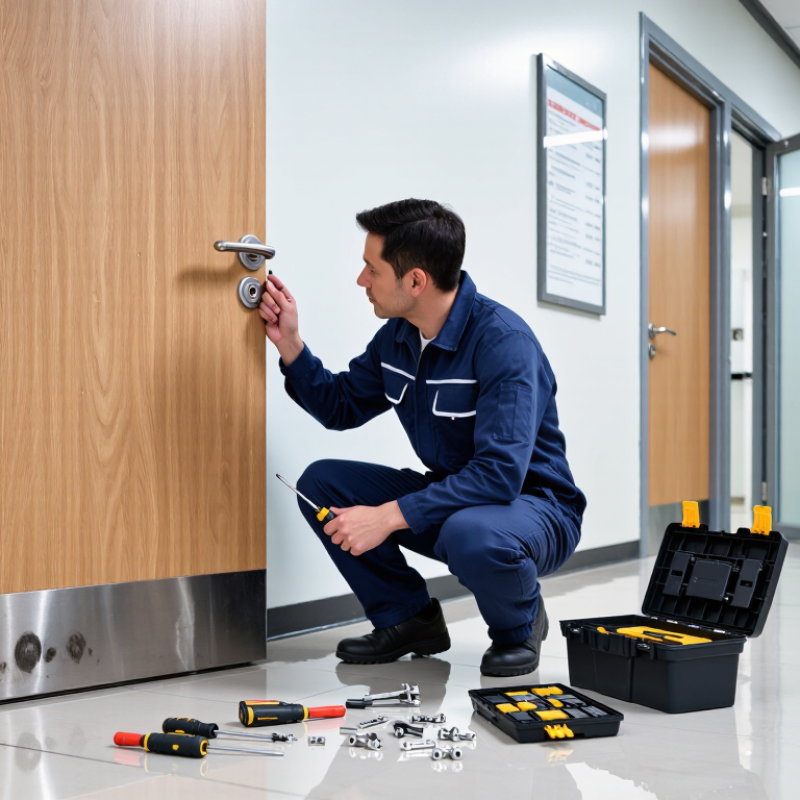
Door maintenance costs often begin with repeated friction, not dramatic breakage. Hinges loosen under frequent use, while worn rollers make sliding doors drag across their tracks. A door that rubs its frame may need alignment before damage spreads to the latch or finish. These small faults are easy to ignore. They rarely stay small.
Environmental exposure creates another steady expense. Moisture can swell timber and corrode metal hardware; dust and grit can wear tracks and seals. Poor weatherstripping also lets drafts and water reach interior surfaces. High-traffic entrances need more frequent checks than lightly used doors. It is tempting to blame one faulty part, but age, installation, and daily use often overlap. Labor costs rise when a minor adjustment is postponed until the hardware, frame, and finish all need attention. Track repairs, door locations, and recurring faults; patterns can be more useful than a single invoice.
Tips: Check hinges, closers, handles, and seals during routine cleaning. Look for fresh scrape marks, loose screws, uneven gaps, and doors that no longer latch.
How to Reduce Door Maintenance Costs?
Inspect doors regularly to catch problems early. A few minutes of checking can prevent a loose hinge from damaging the frame or a worn seal from letting in drafts. Set a schedule that fits each door’s use: busy entrances may need monthly checks, while quieter interior doors can be inspected less often. Consistency matters more than a complicated system.
Open and close each door slowly. Listen for scraping, squeaking, or a sudden change in resistance. Look for loose hinge screws, cracked seals, dents near the latch, and gaps around the frame. Check that the door closes without being pushed and that its closer does not slam. Small clues matter. A thin line of daylight beneath a door, for example, may point to a shifted threshold or worn weatherstripping.
Write down what you notice, including the date and location. A simple log can reveal whether a problem is getting worse or recurring after repairs. No checklist catches everything. It is easy to overlook a hinge that only squeaks when the air is damp, so repeat checks under normal conditions when possible. Tighten minor loose fittings only if you can do so safely; persistent sticking, sagging, or damaged hardware calls for a qualified technician before the frame or door needs more extensive work.
Small issues such as loose hardware are generally less costly to fix than damage left until a major repair is needed. These relative cost estimates are illustrative; actual costs vary by door type, location, and repair.
Dust, grit, and dried residue can make a door work harder than it should. Wipe hinges, rollers, and accessible moving joints with a clean, dry cloth every few months. Pay attention to corners where dirt gathers. Small deposits matter. For a powered door, follow the maker’s safety instructions and keep hands clear of moving parts during inspection.
Use a lubricant approved for your door type, applying only a small amount to the specified hinges, roller bearings, or pivots. Move the door gently to spread it, then wipe away drips. More lubricant is not better; excess can collect dust and turn into sticky buildup. Tracks usually need cleaning, not greasing, unless the door’s care instructions say otherwise.
Listen as the door moves. A new squeak, uneven travel, or a roller that catches can signal wear worth checking early. I used to think a quick spray solved every noise; it sometimes only hid the cause. If parts look bent, loose, or badly worn, stop and arrange qualified service rather than forcing the door. Regular, modest care is less costly than waiting for a small problem to become a repair.
A door that begins rubbing against its frame may need only a small adjustment. Left alone, repeated friction can strip paint, expose the wood, and make the door harder to close. Check the edges for fresh scuffs and look for loose hinge screws. Tighten them gently; forcing a screw can damage the hole. A latch that catches may also need adjustment, not a new door.
That mark matters.
For small chips, remove loose material, let the area dry, then apply a suitable filler and protective paint or finish. If the damage follows a leak or damp patch, fix the moisture source too. Covering wet wood can hide the problem while it spreads. I have seen a tiny swollen corner turn into a sticking door after a wet season; catching it earlier would have meant less work.
Keep a simple note of repairs and check the door again after a few weeks. If the frame is shifting, the wood feels soft, or the door no longer closes securely, ask a qualified repair professional to assess it. A quick patch is not always the right fix, and that is easy to miss.
A door’s purchase price is only part of its long-term cost. Hinges, rollers, closers, seals, and locks all face different stresses. Choose components suited to the door’s weight, daily traffic, and surroundings. A busy entrance may need reinforced hinges, while a damp service area benefits from corrosion-resistant hardware. Durable parts can cost more upfront, but repeated replacements and labor often cost more over time. Small details matter.
Track every repair in a simple log. Record the date, door location, failed component, labor time, parts cost, and whether the door was taken out of use. Add a short note about the cause, such as a loose mounting screw or a roller worn flat. These details can reveal repeat failures that memory tends to blur. Keep it simple.
Review the records every few months. Compare repair frequency and total cost by door, not just by component. If one door needs the same adjustment repeatedly, check alignment or installation before ordering another part. A spreadsheet may miss context, and not every failure has one clear cause. Still, consistent records help maintenance staff choose stronger components, plan replacements, and spot problems before a small defect becomes a costly repair.
Illustrative annual cost-tracking example: The figures below are hypothetical planning data, not a universal price list or guaranteed savings. Costs are in USD and represent parts plus labor per repair event. Actual costs and repair frequency depend on door type, usage, location, and labor rates.
| Door Component | Durable Selection to Consider | Cost per Repair Before | Repairs per Year Before | Annual Cost Before | Cost per Repair After | Repairs per Year After | Annual Cost After | Illustrative Annual Difference |
|---|---|---|---|---|---|---|---|---|
| Hinges | Heavy-duty hinges rated for the door’s weight and expected cycle count | $45 | 8 | $360 | $65 | 3 | $195 | $165 lower |
| Rollers or guides | Load-rated rollers with corrosion-resistant materials where appropriate | $80 | 6 | $480 | $110 | 2 | $220 | $260 lower |
| Door closer | Commercial-duty closer sized to the door’s width, weight, and traffic | $120 | 4 | $480 | $160 | 2 | $320 | $160 lower |
| Weatherstripping | Durable seal material suited to the door, exposure, and operating conditions | $35 | 6 | $210 | $50 | 3 | $150 | $60 lower |
| Lock and latch | Commercial-grade hardware matched to the door and required use | $90 | 5 | $450 | $140 | 2 | $280 | $170 lower |
| Illustrative total | $1,980 | Annual costs after component changes | $1,165 | $815 lower (about 41%) | ||||
Cost-tracking tip: Record the door ID, component, repair date, failure cause, parts cost, labor hours, and downtime for every service visit. Review the totals at least quarterly, and compare like-for-like periods before deciding whether a component upgrade is cost-effective.
Repeated friction, loose hinges, worn rollers, moisture, and dirt can all cause wear. Delayed repairs may also damage the frame or finish.
Check busy entrances about once a month. Quieter interior doors can be checked less often. Regular checks matter more than a complicated schedule.
Look for scrape marks, loose screws, uneven gaps, cracked seals, or a door that will not latch. A thin line of daylight can signal a worn seal or shifted threshold.
Open and close it slowly. Listen for scraping or squeaking, and notice any change in resistance. Small clues matter.
Note the date, door location, and problem you found. A simple log can show recurring faults or worsening damage, though it may not catch every issue.
Wipe accessible moving parts with a clean, dry cloth every few months. Pay attention to corners where dust and grit collect.
Usually, clean tracks without greasing them unless the care instructions recommend lubricant. Use only a small amount on specified hinges, bearings, or pivots, then wipe away drips.
Get help for persistent sticking, sagging, bent parts, or badly worn hardware. Do not force the door. A quick spray may hide a problem rather than fix it.
How to reduce door maintenance cost starts with understanding what drives it. Frequent problems often come from overlooked wear, dirt, poor lubrication, loose hardware, or small areas of damage that worsen over time. Regular inspections help identify sticking, unusual sounds, worn seals, loose hinges, and other early warning signs before they lead to larger repairs. Keeping a simple record of inspection findings can also make recurring issues easier to spot.
Routine cleaning and lubrication can reduce friction and prevent unnecessary wear on hinges, locks, tracks, and other moving parts. When minor damage appears, prompt repairs are usually more manageable than waiting until a component fails or affects the whole door. Choosing durable replacement components suited to the door’s use can further reduce repeat work. By tracking repair costs and maintenance history, property owners can identify problem areas, plan upkeep more effectively, and make informed decisions about future repairs.

Globe Hardware