How to Prevent Corrosion on Aluminum Hardware?

Time:2026-10-05 Author:Amelia
0%

Aluminum hardware is often chosen for its light weight, strength, and natural oxide layer. Yet it is not corrosion-proof. Salt spray, trapped moisture, acidic cleaners, and contact with steel can damage its surface. Small white deposits may appear first. Later, threads can seize, fasteners can weaken, and protective finishes may peel.

This guide explains How to prevent corrosion on aluminum hardware through practical maintenance and careful material selection. It covers cleaning, drying, protective coatings, drainage, and electrical isolation between dissimilar metals. A technician may find corrosion beneath a washer, inside a hinge, or around a scratched anodized surface. These hidden areas deserve attention. They are easy to miss.

No method is perfect. Even a clean installation can fail when water remains trapped. Regular inspection therefore matters as much as the original coating. Rinse marine-exposed hardware with fresh water, then dry it completely. Use compatible anti-corrosion products and follow the manufacturer’s instructions. Avoid aggressive steel brushes, because they can embed particles into aluminum. When aluminum touches stainless steel, steel, or copper, an insulating barrier may reduce galvanic corrosion. The correct barrier depends on the environment and load requirements. A coating applied too thickly may affect fit. That detail is sometimes overlooked. Reliable prevention combines sound design, suitable products, controlled installation, and realistic maintenance intervals. This approach helps protect hardware without creating new problems.
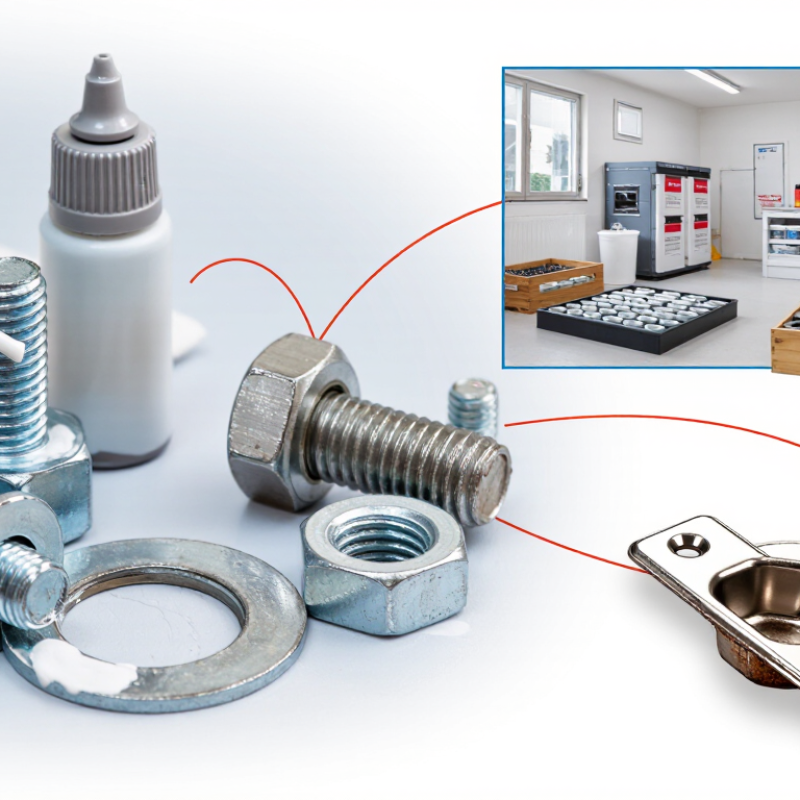
How to Prevent Corrosion on Aluminum Hardware?

What Causes Corrosion on Aluminum Hardware?

How to Prevent Corrosion on Aluminum Hardware?

Aluminum hardware usually resists corrosion because it forms a thin protective oxide layer. That protection is not permanent. Saltwater, humid air, and road spray can damage the surface and create small pits. Chloride ions are especially aggressive. They can enter scratches and begin corrosion beneath the visible surface.

Contact with dissimilar metals creates another risk. When aluminum touches copper or untreated steel in moisture, galvanic corrosion may develop. Dirt trapped under washers also holds water against the hardware. Strong alkaline cleaners can attack aluminum, while acidic residues may stain or weaken it. I once blamed poor material quality, but the real problem was trapped moisture inside a joint. Small installation details matter.

Tips: Keep aluminum hardware clean and dry. Rinse salt deposits with fresh water, then dry the joints completely. Use compatible insulating washers when different metals meet. Seal deep scratches with a suitable coating, and inspect threads for white powder or pitting. Avoid harsh cleaners and stiff steel brushes. A soft nylon brush works better. Check hidden areas after rain or coastal exposure. My inspections are not always perfect; corrosion can begin behind a fastener before the surface looks damaged. That is why regular checks, especially around seams and drain holes, remain important.

How to Choose Corrosion-Resistant Aluminum Hardware

Choosing corrosion-resistant aluminum hardware starts with the environment. Indoor fittings face less moisture than coastal gates, pool enclosures, or industrial washdown areas. Salt spray changes the decision quickly. Choose an alloy suited to exposure, such as 6061 or 6063, and confirm its grade through supplier documentation. Alloy alone does not guarantee durability. Surface treatment matters too. Hard anodizing improves wear resistance, while architectural anodizing protects exposed surfaces. A properly applied powder coating adds another barrier. However, scratches need prompt repair. Ask for coating thickness, adhesion, and salt-spray test information. Test results are useful, but they are not absolute promises.

Fasteners deserve equal attention. Stainless steel screws may resist rust, yet direct contact with aluminum can cause galvanic corrosion in wet conditions. Use compatible washers, isolating sleeves, or approved joint compounds. Keep water from pooling around threads and brackets. Small drainage gaps can prevent persistent dampness. Avoid mixing bare aluminum with copper or carbon steel. It is a common installation mistake. During inspections, look for white powder, dark staining, loose screws, and bubbling finishes. These signs often appear before structural damage becomes visible. I have seen good hardware fail because the surrounding design trapped rainwater. The better choice is sometimes less expensive, but more carefully installed. If a bracket stays wet overnight, change the detail before changing the metal.

How to Prepare Aluminum Surfaces Before Protection

How to Prevent Corrosion on Aluminum Hardware?

Surface preparation determines how well aluminum hardware resists corrosion. Aluminum naturally forms an oxide film, but contamination can weaken protective coatings. Wear clean gloves, safety glasses, and provide good ventilation during preparation.

Start by removing oil, dust, and fingerprints with a mild, residue-free cleaner. Rinse thoroughly with clean water. Do not let dirty water dry on the metal. For stubborn grease, use a compatible degreaser and follow its safety instructions.

Dry the hardware with lint-free cloths or clean, oil-free air. Inspect every edge, thread, hole, and joint. Small pockets often hold moisture.

Lightly abrade the surface with a fine, nonwoven abrasive pad. Work evenly until the surface looks uniformly dull, not deeply scratched. Avoid steel wool because trapped iron particles may create staining and galvanic problems. Remove the remaining dust before applying a conversion treatment or primer designed for aluminum. Check compatibility with the final coating, especially around threads and moving parts.

Keep the prepared surface dry and handle it as little as possible. High humidity can cause condensation before protection is applied. A useful check is simple: the surface should feel clean, dry, and free of visible residue.

One common mistake is rushing this stage. I have seen a nearly perfect coating fail because a thin fingerprint remained beneath it. Preparation is less impressive than painting, but it usually decides the result.

How to Apply Coatings and Protective Treatments

Corrosion on aluminum hardware often begins quietly at scratches, threads, and trapped moisture. The NACE IMPACT study estimated global corrosion costs at US$2.5 trillion annually, or 3.4% of global GDP. That figure includes many metals, yet it shows why small surface defects deserve attention. Protective treatment starts with preparation. Remove oil, fingerprints, oxidation, and salts with a compatible cleaner. Abrade lightly without polishing the surface smooth. Rinse thoroughly, then dry before flash rust-like contamination appears.

A conversion coating can improve adhesion and reduce localized attack. Choose a treatment compatible with the alloy and service environment. Apply the primer within the supplier’s stated window. A thin, even film works better than a heavy puddle around fastener heads. Follow the specified dry-film thickness, temperature, and humidity limits. ASTM B117 salt-spray results can compare systems, but they do not predict every outdoor failure. Field drainage and joint design still matter.

For exposed hardware, use a compatible primer and topcoat system, then seal gaps where water can sit. Avoid direct contact between aluminum and dissimilar metals unless an isolating washer or sealant separates them. Inspect cut edges and damaged coating during maintenance. I have seen well-coated parts fail because installers handled them with salty gloves. That mistake is easy to miss. Rework is sometimes wiser than trusting a rushed cure. The NACE study also reported that 15–35% of corrosion costs could be reduced through better management practices, including inspection and prevention.

How to Prevent Corrosion on Aluminum Hardware? - How to Apply Coatings and Protective Treatments
Treatment or Coating Typical Dry Film or Layer Thickness Recommended Application Sequence Suitable Exposure Main Corrosion-Protection Benefit Important Control Point
Anodizing Approximately 5–25 μm, depending on the service environment and specification Clean and etch the aluminum, anodize electrochemically, then seal the pores Indoor, architectural, and moderate outdoor environments Creates a hard, integral aluminum-oxide layer with good wear and weather resistance Complete sealing is needed; scratches cannot be repaired invisibly by repainting
Powder coating Typically 60–120 μm after curing Degrease, rinse, apply a compatible conversion pretreatment, dry, spray powder, and cure General outdoor use and many architectural applications Provides a continuous barrier against moisture, oxygen, and contaminants Avoid thin coverage, pinholes, sharp edges, and poor pretreatment; follow the coating cure schedule
Liquid paint system Approximately 50–125 μm total for a multi-coat system Clean, abrade or chemically pretreat, apply primer, apply topcoat, and allow full drying or curing Maintenance repairs, complex shapes, and controlled industrial environments Combines adhesion from the primer with a weather-resistant protective topcoat Surface contamination and inadequate drying are common causes of blistering and early failure
Conversion coating Usually a very thin chemical film, commonly below 5 μm Clean, rinse, apply the conversion treatment, rinse or seal as specified, then dry As a pretreatment beneath paint or powder coating; limited protection when used alone Improves coating adhesion and provides supplemental protection at small defects Use a treatment compatible with the intended coating and applicable environmental requirements
Clear protective coating Commonly 15–50 μm, depending on the coating type Remove oxidation and contaminants, dry completely, apply evenly, and allow the specified cure time Indoor use and selected low-to-moderate outdoor environments Preserves the aluminum appearance while reducing contact with water and pollutants Inspect for continuous coverage; recoat when wear, chalking, or coating breakdown appears
Barrier sealant at joints Joint-specific; commonly applied as a continuous bead rather than a measured film Clean and dry mating surfaces, apply sealant to the joint, assemble, and maintain the recommended cure time Outdoor assemblies, fastener interfaces, and areas exposed to standing water Limits water entry and reduces crevice corrosion around joints and fasteners Do not block drainage paths; verify compatibility with aluminum, coatings, and adjacent materials
Isolation washers or sleeves Physical separation; thickness is selected according to the joint design Install between aluminum and dissimilar metals, and prevent damaged insulation during assembly Wet, salty, or humid environments where galvanic contact is possible Reduces galvanic corrosion by interrupting the electrical path between dissimilar metals Keep the interface dry where possible and inspect for gaps, compression damage, or trapped moisture
Routine cleaning and inspection Not applicable Rinse with clean water, use a mild cleaner when needed, dry the hardware, and inspect coating defects All environments, especially coastal and industrial locations Removes salts, dirt, and corrosive deposits before they can concentrate on the surface Avoid strong acids, strong alkalis, abrasive pads, and chloride-rich cleaners unless specifically approved

How to Inspect and Maintain Aluminum Hardware over Time

Aluminum hardware needs routine inspection, even when its surface still looks clean. Oxide protects aluminum, but salt, moisture, and trapped dirt can trigger pitting. Galvanic corrosion may also develop where aluminum contacts dissimilar metals. The NACE IMPACT study estimated global corrosion costs at 3.4% of worldwide GDP. This figure covers all metals, not aluminum alone, but it shows why small defects deserve attention.

Inspect exposed hardware every three to six months in coastal or industrial areas. Check threads, washers, bolt heads, and joints for white powder, dark stains, looseness, or rough edges.

Clean deposits with fresh water and a soft nylon brush. Avoid aggressive abrasives that remove protective surfaces. Dry the joint completely, then inspect sealants and drainage paths.

Record photographs, dates, and torque readings. A written history helps reveal gradual movement that one inspection may miss. Do not overtrust appearance.

Tips:

  • Inspect after storms.
  • Check hidden contact points.
  • Replace damaged washers.
  • Keep dissimilar metals isolated.
  • Use materials approved for the service environment.
  • Never tighten by feel alone; follow the assembly specification and use a calibrated torque tool.

The U.S. Federal Highway Administration has repeatedly identified drainage, inspection, and preventive maintenance as practical corrosion-control measures. Still, field conditions vary. A clean inland installation may need less attention, while coastal hardware can deteriorate surprisingly quickly. Professional evaluation is sensible when pitting is deep, threads are damaged, or structural loads are involved.

FAQS

Why is surface preparation important for aluminum hardware?

Preparation removes oil, dust, fingerprints, and moisture that can weaken protective coatings. A clean surface matters more than appearance.

What should be removed before protecting aluminum?

Remove grease, dust, fingerprints, and residue with a mild, residue-free cleaner. Rinse with clean water. Do not let dirty water dry on the metal.

How should aluminum hardware be dried?

Use a lint-free cloth or clean, oil-free air. Dry threads, holes, edges, and joints carefully. Small pockets can retain moisture.

How can aluminum be lightly abraded safely?

Use a fine, nonwoven abrasive pad with even pressure. Stop when the surface looks uniformly dull. Avoid deep scratches.

Why should steel wool be avoided?

Steel wool can leave iron particles on aluminum. Those particles may cause staining and galvanic corrosion. It seems harmless, but it is not always harmless.

What should be checked before applying a primer or conversion treatment?

Confirm compatibility with aluminum and the final coating. Pay special attention to threads and moving parts. Remove all remaining dust first.

How often should aluminum hardware be inspected?

Inspect it every three to six months in coastal or industrial environments. Inspect after storms, too. Inland hardware may need fewer inspections.

What signs may indicate corrosion or developing damage?

Look for white powder, dark stains, rough edges, looseness, and pitting. Check bolt heads, washers, threads, and hidden contact points. Do not trust appearance alone.

How should deposits and damaged joints be maintained?

Clean deposits with fresh water and a soft nylon brush. Dry the joint completely afterward. Replace damaged washers and keep dissimilar metals isolated.

When is professional evaluation advisable?

Seek professional evaluation when pitting is deep, threads are damaged, or structural loads are involved. Use calibrated torque tools, not hand judgment alone. Rushing can ruin good work.

Conclusion

Learn how to prevent corrosion on aluminum hardware by understanding the conditions that cause it, including moisture, salt, pollutants, contact with dissimilar metals, and surface damage. Selecting corrosion-resistant aluminum hardware with suitable finishes and compatible components is an important first step. Before applying protection, clean the surface thoroughly, remove dirt, grease, oxidation, and loose residue, then allow the hardware to dry completely. Proper preparation helps coatings and treatments adhere evenly and provide more reliable protection.

Protective coatings, sealants, anodized finishes, and corrosion-inhibiting treatments can create a barrier against water and contaminants when applied according to the product’s requirements. After installation, inspect the hardware regularly for discoloration, pitting, scratches, coating failure, or signs of galvanic corrosion. Promptly clean affected areas, repair damaged protection, maintain drainage and ventilation, and replace severely deteriorated components. Consistent inspection and maintenance will extend service life and help keep aluminum hardware functional and visually acceptable.

Amelia

Amelia

Amelia is a seasoned marketing professional with a wealth of expertise in our company’s core offerings. With an unwavering passion for driving growth and innovation, she plays a pivotal role in shaping our marketing strategies and enhancing brand visibility. A key aspect of her responsibilities......