When considering home design, many overlook a seemingly small detail: door thresholds. You might wonder, "What is the function of door thresholds?" They're more than just a barrier. Door thresholds provide various essential functions that impact aesthetics and functionality.
Firstly, they help manage airflow between spaces. A well-designed threshold can prevent drafts and maintain indoor temperatures. Additionally, they keep water and debris from entering the home. This feature is vital in protecting flooring and ensuring cleanliness.
Moreover, door thresholds add an element of style. They can harmonize with the door and surrounding decor. However, selecting the right threshold may require careful thought. Not all materials and designs work for every home. Reflecting on the intended use of each doorway is crucial. Ultimately, the threshold plays a significant role in both practicality and visual appeal.
The Definition and Purpose of Door Thresholds in Home Design
Door thresholds play a crucial role in home design, serving both functional and aesthetic purposes. They act as a barrier between different rooms or between the interior and exterior of a home. This separation helps manage airflow, temperature, and noise levels. A well-designed threshold can also prevent water and dirt from entering your living space, enhancing comfort and cleanliness.
In terms of aesthetics, thresholds contribute to the overall style of a home. They can be crafted from various materials, such as wood, stone, or metal, complementing the surrounding decor. While some homeowners focus on creative designs, others may struggle to choose the right type. It’s easy to overlook these details, yet they significantly impact how spaces feel and function. A poorly installed threshold can lead to gaps or misalignment, creating usability issues.
Moreover, the choice of threshold can reflect personal style and practicality. In high-traffic areas, durability is vital. Softwood may not withstand wear, while tile or stone offers more strength. Yet, the installation process is often neglected, and misalignment may arise. Homeowners should reflect on their choices, balancing functionality and design. Thoughtful consideration can elevate the overall design of a home.
Key Materials Used in the Construction of Door Thresholds
Door thresholds play a vital role in home design. They act as a barrier between different spaces. A well-constructed threshold can improve insulation and reduce energy costs. Moreover, it enhances the aesthetic appeal of a doorway.
When it comes to materials for door thresholds, several options are available. Wood is a classic choice. It offers durability and warmth but can be susceptible to water damage. Metal thresholds, like aluminum, provide strength and are weather-resistant. Profiled rubber makes for a flexible option, suitable for varied conditions.
Each material has its pros and cons, which merits reflection. Wood can warp over time. Metal might conduct heat or cold. Rubber can wear down, necessitating earlier replacement. Choosing the right threshold involves weighing these factors carefully. You want durability and beauty, but you must account for your local climate and the intended use of the space. Taking these aspects into consideration can lead to better design decisions.
The Role of Door Thresholds in Energy Efficiency and Insulation
Door thresholds play a crucial role in energy efficiency and insulation. They act as a barrier against drafts, moisture, and temperature variations. A well-designed threshold minimizes air leaks, helping maintain a stable indoor climate. This can significantly reduce heating and cooling costs over time.
Some homeowners overlook the importance of these features. Often, they focus solely on aesthetic elements. However, neglecting the threshold's function can lead to higher energy bills. The right materials can enhance insulation. For instance, options like rubber or metal can provide better sealing than traditional wood. It's essential to balance style and functionality in home design.
Additionally, installing thresholds should consider local climate. In colder regions, thicker thresholds may be necessary. In hot climates, ventilation gaps can help. Homeowners need to assess their needs carefully. Not every solution works for every situation. Thoughtful planning can lead to improved comfort and efficiency.
What is the function of door thresholds in home design? - The Role of Door Thresholds in Energy Efficiency and Insulation
| Dimension |
Description |
Impact on Energy Efficiency |
Insulation Value (R-Value) |
| Material |
Wood, Metal, Composite |
Different materials provide varying insulation properties and air sealing. |
R-1 to R-4 |
| Height |
Standard height typically 1-2 inches |
A higher threshold can prevent air leaks but may pose accessibility issues. |
R-1 |
| Sealing Technique |
Weatherstripping, Caulking |
Effective sealing techniques enhance energy conservation by reducing drafts. |
R-2 to R-3 |
| Design Type |
Flat, Raised |
Various designs can cater to aesthetics and functional energy efficiency. |
R-1 |
| Installation Angle |
Level, Sloped |
Proper angle installation assists in water drainage and prevents moisture accumulation. |
N/A |
How Door Thresholds Enhance Safety and Accessibility in Homes
Door thresholds play a vital role in enhancing safety and accessibility in homes. They act as the transition between different spaces, whether it’s moving from indoors to outdoors or between rooms. According to a study by the National Association of Home Builders, over 50% of accidents in the home occur at the threshold between different surfaces. A well-designed threshold can minimize the risk of tripping.
Moreover, thresholds can provide essential weatherproofing. They help prevent water entry, protecting floors and foundations. Data from the American Institute of Architects shows that thresholds are crucial in energy efficiency as well, acting as barriers against drafts. This reinforces that design details contribute to broader safety and comfort levels in the home.
Accessibility is another key aspect of thresholds. Universal design models suggest incorporating lower, beveled thresholds to accommodate mobility aids. These small adjustments are significant. The U.S. Census Bureau reports that approximately 13% of the population lives with a disability. Accommodating their needs fosters inclusivity and ensures that everyone can navigate spaces safely.
Aesthetic Considerations: Choosing the Right Threshold for Your Style
When considering door thresholds, aesthetics play a crucial role in home design. A threshold can enhance your home's visual appeal or clash with its style. Selecting the right threshold isn’t just about function; it reflects your design philosophy.
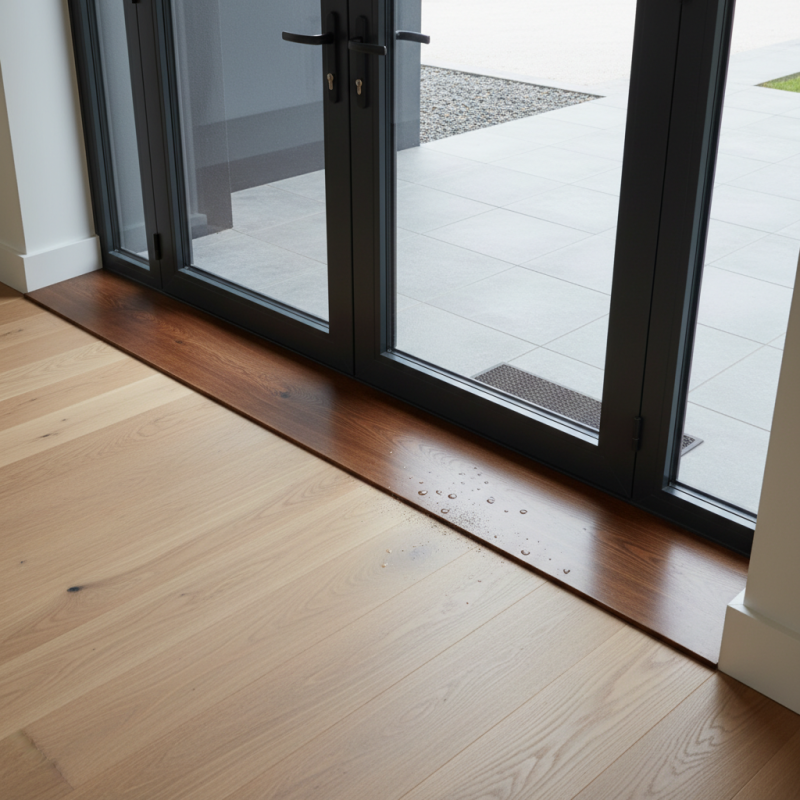
A wooden threshold may add warmth to a rustic home, while a sleek metal option can complement modern aesthetics. Pay attention to materials and colors. Opt for neutral tones if you want to maintain a minimal look. Bold hues can create a significant visual impact. The choice isn’t always clear, and sometimes it requires trial and error.
**Tips:** Consider how the threshold interacts with your flooring. This ensures a seamless transition between spaces. Think about texture, too; a matte finish may work better in calm spaces, while gloss can energize high-traffic areas. Don't shy away from unconventional choices. Sometimes, the perfect threshold is one that surprises rather than adheres strictly to the norm.
Function and Aesthetic Considerations of Door Thresholds in Home Design
Conclusion
The article "What is the function of door thresholds in home design?" explores the multifaceted roles that door thresholds play in residential spaces. Door thresholds serve not only as a transition between different areas of a home but also provide essential benefits like energy efficiency and insulation by minimizing drafts and temperature fluctuations. They are commonly made from various materials, each chosen for durability and aesthetic appeal, thus enhancing the overall design of a space.
Additionally, the article highlights the importance of door thresholds in promoting safety and accessibility, particularly for individuals with mobility challenges. A well-designed threshold can prevent tripping hazards and make transitions smoother. Aesthetic considerations are also discussed, emphasizing the need to select thresholds that complement the home’s style. Ultimately, understanding "What is the function of door thresholds" allows homeowners to make informed decisions that improve both functionality and visual appeal in their living environments.

 Globe Hardware