How to Extend the Service Life of Door Hardware Efficiently?

Time:2026-03-30 Author:Sienna
0%

When considering the longevity of door hardware, many overlook its crucial role in everyday life. Door handles, locks, and hinges endure frequent use, making their maintenance vital. Understanding how to extend door hardware service life is essential for cost efficiency and safety.

Regular upkeep can prevent premature wear and tear. Simple practices, like cleaning and lubrication, can significantly enhance functionality. However, many users neglect these practices due to busy schedules. This negligence can lead to costly repairs and replacements. Additionally, recognizing the signs of wear is vital; ignoring minor issues often escalates into major problems.

Investing time in routine checks and adopting proactive measures fosters trust in your door hardware. Experts agree that awareness and attention can extend the life of these components significantly. By embracing these practices, we not only save money but also ensure peace of mind and security in our spaces.
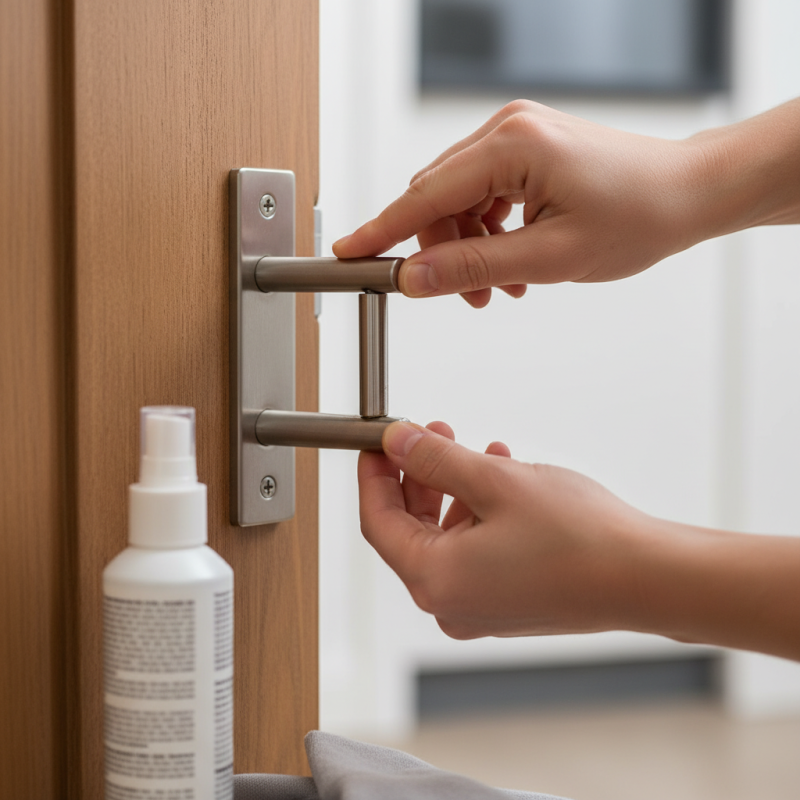
How to Extend the Service Life of Door Hardware Efficiently?

Best Practices for Routine Inspection of Door Hardware

Routine inspection of door hardware is essential for longevity. Regular checks can prevent minor issues from turning into significant problems. Start by examining hinges, locks, and latches. Look for rust or signs of wear. These visual inspections are quick and can be done monthly.


Pay attention to the door’s movement. Is it too stiff or making noise? This could indicate a need for lubrication. Use a suitable lubricant to ensure smooth operation. A well-functioning door contributes to security and efficiency. If the hardware is misaligned, it may require adjustment or reinforcement.


Consider documenting your findings. Keeping a simple log can help track changes over time. Setting reminders for inspections can help maintain a schedule. However, it’s easy to overlook these tasks in busy months. Overlooking this routine can lead to unexpected malfunction. Regular maintenance reveals insights on durability. Stay proactive to protect your investment.

Impact of Environmental Factors on Door Hardware Longevity

Door hardware longevity is often impacted by various environmental factors. These factors can significantly influence the performance and lifespan of locks, hinges, and knobs. According to industry research by the National Institute of Standards and Technology (NIST), moisture and temperature fluctuations can reduce hardware lifespan by as much as 30%. This emphasizes the importance of selecting appropriate materials for specific environments.

Additionally, pollutants in the air, such as dust and corrosive elements, can accelerate wear and tear. A study from the American Society of Mechanical Engineers (ASME) highlighted that coastal areas often see a 50% higher failure rate in metal hardware than inland locations. Regular maintenance can mitigate these effects. Cleaning hardware regularly and using protective coatings may extend service life considerably, but many overlook these tasks.

Even with proper care, hardware can still fail. Users may notice that door hinges often squeak or become misaligned over time. This can indicate a need for replacement or adjustment, as ignoring these signs can lead to more extensive damage. The complexity of environmental influences on hardware necessitates a proactive approach, focusing on preventive measures rather than reactive solutions to ensure longevity.

Impact of Environmental Factors on Door Hardware Longevity

Recommended Maintenance Schedules for Different Hardware Types

Regular maintenance of door hardware is crucial for extending its lifespan. According to a report from the National Association of Home Builders, proper care can increase hardware longevity by up to 30%. Different types of hardware require tailored maintenance schedules. For hinges, a biannual cleaning and lubrication ensure smooth operation. Neglecting this can lead to rust and squeaking, ultimately damaging the door frame.

For locks, a quarterly inspection is essential. Dust and debris can compromise function, causing unwanted wear. The Associated Locksmiths of America recommends using a graphite lubricant instead of oil, as this prevents dirt buildup. Additionally, door closers should be serviced every six months. This involves checking for proper tension and checking seals for wear. A worn closer can result in excessive force, potentially damaging the hardware and the door itself.

Finally, decorative hardware also needs attention. While it might appear lower maintenance, cleaning with a soft cloth removes grime that can lead to tarnishing. Maintenance frequency should align with environmental conditions. Properties in coastal areas may need more frequent checks due to salt and moisture exposure. Employing a routine maintenance plan tailored to specific hardware types keeps doors functional and aesthetically pleasing.

Selecting High-Quality Materials for Enhanced Durability

When choosing door hardware, selecting high-quality materials is crucial for durability. Quality materials resist wear and tear, ensuring long-term functionality. For example, solid brass and stainless steel are often preferred for their strength. They withstand environmental stress better than cheaper alternatives.

However, not every high-end material is infallible. Even brass can tarnish if not maintained properly. Regular cleaning can help preserve its luster. Stainless steel might resist corrosion, but it may scratch easily. It's essential to weigh these factors against individual needs. Opting for a good finish, such as powder coating or chrome plating, can enhance longevity.

In the long run, quality materials pay off. They not only enhance performance but also reduce replacement costs. Still, it’s essential to keep in mind that proper installation is just as vital. A quality product poorly installed can lead to early failure. Attention to detail in every aspect ensures that door hardware lasts and performs well over time.

Common Mistakes to Avoid in Door Hardware Care and Maintenance

When it comes to maintaining door hardware, common mistakes can lead to premature failure. One major oversight is neglecting to lubricate moving parts regularly. Dust and grime can accumulate, causing hinges and locks to seize up. Simple lubrication can extend their lifespan and improve functionality. Use a silicone-based lubricant, which repels dirt better than oil-based products.

Another frequent error is ignoring rust on metal components. Even minor rust spots can spread quickly, weakening hinges or latches. Address any rust immediately. A wire brush followed by a rust-inhibiting primer can prevent further deterioration. Failing to check door alignment is also a common mistake. Misalignment can cause undue stress, leading to more damage over time. Regularly test doors for smooth operation and adjust hinges as needed.

Handling hardware with care is crucial but often overlooked. Slamming doors or pushing them too hard can lead to cracks or breakages. Always ensure gentle usage. Finally, avoid using incompatible cleaning agents. Harsh chemicals can degrade finishes and materials. Instead, opt for mild cleaners and cloths to keep surfaces clean without damage. Ignoring these simple practices can significantly shorten the lifespan of your door hardware.

FAQS

: What factors affect door hardware longevity?

: Environmental factors like moisture, temperature changes, and air pollutants significantly affect hardware lifespan.

How much can moisture and temperature changes reduce hardware lifespan?

Research shows they can reduce lifespan by up to 30%.

Why do coastal areas experience higher failure rates in metal hardware?

Pollutants and corrosive elements in coastal air increase wear, causing a 50% higher failure rate.

How can maintenance prolong the life of door hardware?

Regular cleaning and protective coatings can considerably extend service life.

What happens if door hinges squeak or become misaligned?

It may indicate a need for replacement or adjustment, or risk further damage if ignored.

What is a common mistake in door hardware maintenance?

Neglecting to lubricate moving parts regularly can lead to seizing due to dust accumulation.

How should rust on hardware be addressed?

Any rust should be addressed immediately to prevent spreading and weakening of components.

What should you do to avoid door misalignment?

Regularly test for smooth operation and adjust hinges to prevent stress and damage.

Why is gentle handling of hardware important?

Rough handling can cause cracks or breakages, so gentle use is essential for longevity.

What cleaning agents should be avoided for door hardware?

Harsh chemicals can degrade finishes; mild cleaners and cloths are safer alternatives.

Conclusion

To effectively address the question of "How to extend door hardware service life," it's essential to adopt best practices for routine inspections, which can help identify potential issues before they escalate. Environmental factors, such as humidity and temperature fluctuations, can significantly impact the longevity of door hardware, making it crucial to choose high-quality materials that can withstand such conditions.

Implementation of recommended maintenance schedules catered to different types of hardware will ensure optimal performance over time. Additionally, being aware of common mistakes in door hardware care, such as neglecting lubrication and improper cleaning techniques, can further enhance durability and prolong service life. By following these guidelines, you can maintain your door hardware efficiently and ensure it remains functional for many years.

Sienna

Sienna

Sienna is a skilled marketing professional with a deep expertise in our company’s core products and services. With a passion for innovation and detail, she plays a pivotal role in crafting insightful blog posts that not only highlight the unique features of our offerings but also provide valuable......