Electrified door hardware is revolutionizing access control systems across various industries. This technology integrates electrical components into traditional door hardware, enhancing security and efficiency. According to a report by MarketsandMarkets, the global electronic door lock market size is projected to reach USD 4.38 billion by 2025. This growth reflects a rising demand for advanced security solutions.
Understanding "What is electrified door hardware" involves looking at how it operates. This hardware typically includes electric strikes, magnetic locks, and keyless entry systems. These devices work in tandem with access control systems, allowing for real-time monitoring and management of entries. However, reliance on technology raises questions about vulnerability to hacking and power failures. Organizations must weigh these risks carefully.
Despite any concerns, electrified door hardware offers significant benefits. It provides detailed access logs, improving accountability. The convenience of remote access is changing how we approach security. As we explore electrified door hardware further, it is imperative to consider both the advantages and potential pitfalls, ensuring informed decisions are made.
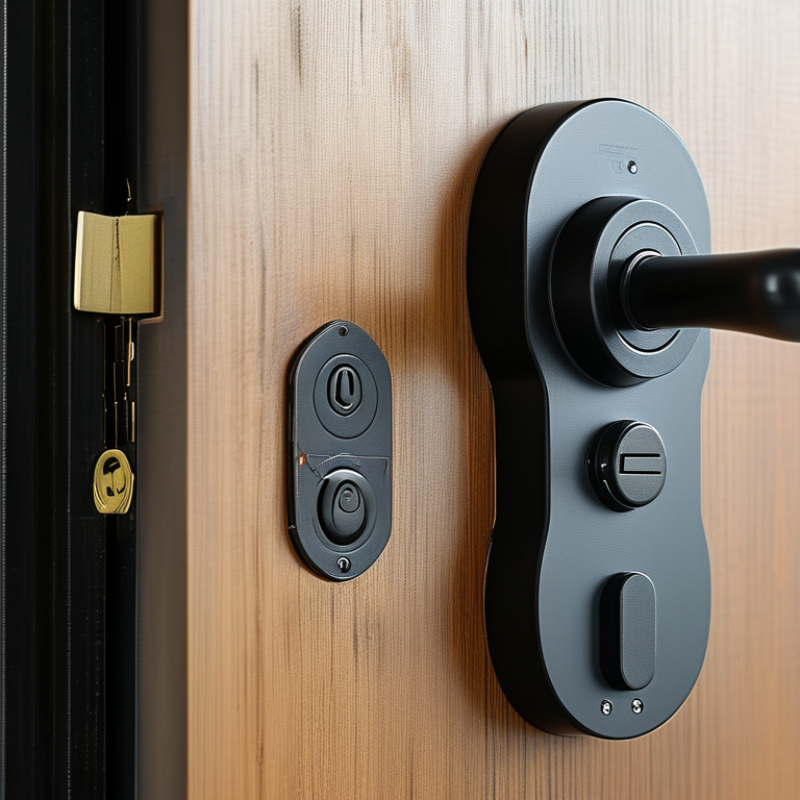
Electrified door hardware is an advanced solution for securing buildings. It combines traditional locking mechanisms with electronic controls. These systems provide a modern approach to access management. According to a recent industry report from the Security Industry Association, the market for electrified hardware is projected to grow significantly in the next five years.
This type of hardware typically includes electric strikes, electric locks, and other related devices. They allow for remote access and integration with security systems. For example, an electric strike can release a locked door when an access control system sends a signal. This combination of technology and hardware makes it easier to manage security.
Many organizations are adopting electrified door hardware for its convenience and efficiency. However, integrating these systems can pose challenges. Not all installations go smoothly, and some users report frustration with compatibility issues. It's crucial to consult with professionals who have experience with these technologies. As the market grows, ongoing training and updated technical knowledge will be essential for successful implementation.
: Electrified door hardware combines electrical components with traditional locks. It enhances security and convenience for users.
Electric strikes release the latch when energized. They enable entry without needing a key.
Advantages include remote access control and real-time monitoring. They also reduce wear from physical keys.
Always assess your security needs and ensure compatibility with current systems. This is important for effective use.
Yes, power outages can disable electronic locks. Backup protocols are essential to maintain security during outages.
Understanding the technology helps minimize operational issues. Proper training can prevent user errors.
Commercial offices widely use electrified locks. Access is managed through keypads and card readers for security.
Yes, there can be risks if installations aren't reliable. Regular maintenance is crucial to avoid security lapses.
They can link with alarm systems, providing alerts for unauthorized access or when doors are left open.
Yes, it's simple to modify access levels for different users. This adaptability enhances overall security management.
Electrified door hardware refers to a range of locking mechanisms and components that are powered or controlled by electricity, enhancing the security and access control of buildings. Key components of electrified door hardware include electric strikes, electric locks, and powered exit devices, which work in tandem with access control systems to enable or restrict entry. This technology functions through the use of electrical currents, allowing for remote access, monitoring, and integration with alarm systems.
The advantages of using electrified door hardware are significant; they provide improved security, convenience, and the ability to easily manage access for multiple users. These systems are particularly beneficial in modern security applications where real-time monitoring and rapid response are critical. From commercial buildings to educational institutions, electrified door hardware plays a vital role in safeguarding premises while streamlining the user experience. Understanding "what is electrified door hardware" is essential for anyone looking to enhance their security infrastructure effectively.

 Globe Hardware