What Is Door Hardware Service Life and How to Extend It?

Time:2026-10-10 Author:Aria
0%

Door hardware rarely fails without warning. A closer begins to slam, a lever feels loose, or a latch stops meeting the strike. These small changes often reveal deeper wear. Service life depends on traffic, installation quality, climate, user behavior, and maintenance records. A quiet office door may last for decades. A busy hospital entrance faces thousands of cycles each month.

Lori Greene, an architectural hardware consultant and recognized voice in the field, has said, “Maintenance is part of the hardware specification, not an afterthought.” That principle frames this guide to How to extend door hardware service life. The practical answer starts with correct selection. Hardware must match door weight, opening frequency, security needs, and environmental exposure. Stainless steel may perform better near coastal air. A heavy-duty closer may be necessary for a high-traffic entrance.

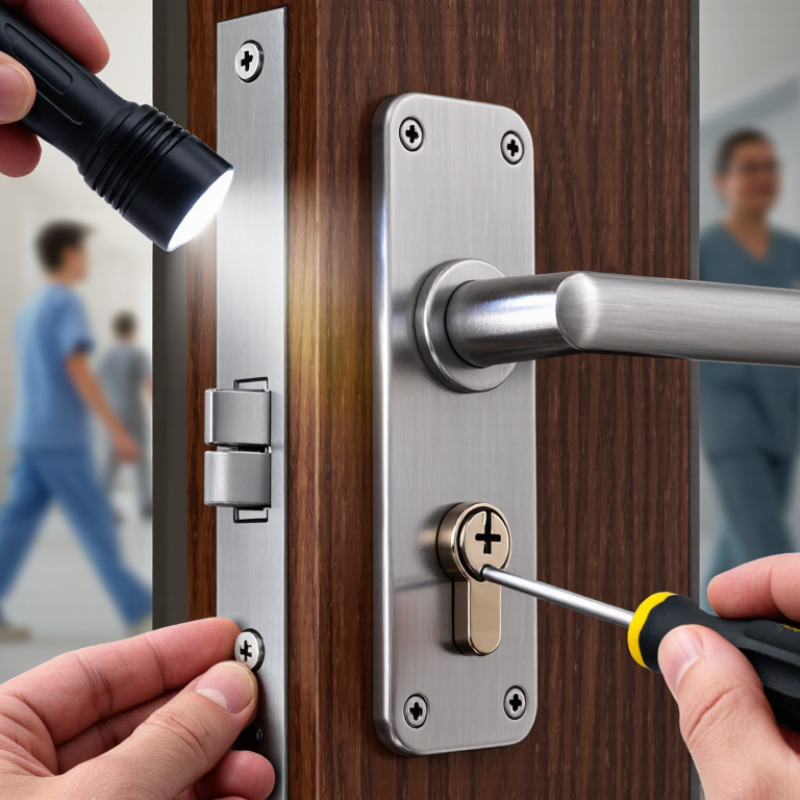
Inspection should be specific, not ceremonial. Check mounting screws, pivots, hinges, latches, strikes, seals, and closer adjustments. Listen for grinding. Feel for resistance. Record what changed. Small repairs usually cost less than replacing a damaged door or frame.

Still, maintenance plans are not perfect. People forget inspections. Installers sometimes leave hardware poorly aligned. Cleaning products can damage finishes. That is worth admitting. A realistic program includes reminders, trained staff, approved lubricants, and clear replacement criteria. It also reviews failures instead of hiding them. The goal is not merely longer service. It is safer, smoother, and more predictable operation over time.
What Is Door Hardware Service Life and How to Extend It?

Define Service Life by BHMA Cycle Grades: 250,000 to 2 Million Cycles

What Is Door Hardware Service Life and How to Extend It?

Door hardware service life is measured by use, not only by calendar years. A busy entrance may complete hundreds of cycles daily. A quiet office door may need much less movement. The Builders Hardware Manufacturers Association (BHMA) cycle grades provide a practical comparison. Depending on the grade, hardware may be tested for approximately 250,000, 1 million, or 2 million opening and closing cycles. A 250,000-cycle product may suit lighter use. A 2-million-cycle product is better suited to demanding commercial entrances. These figures describe laboratory performance, not a guaranteed replacement date.

Daily conditions still matter. Dust, moisture, poor alignment, and excessive door weight can shorten service life. I have seen durable hardware fail early because a door dragged across the floor. Regular inspection should check loose screws, unusual noise, slow latching, and uneven gaps. Correcting the door closer or hinges may prevent stress from reaching the lock or exit device. Real buildings are messier than test rooms. That limitation deserves attention.

Tips: Count approximate daily cycles before choosing a grade. Clean moving parts with an approved method, and avoid forcing the handle. Tighten fasteners during scheduled inspections. Keep the frame aligned and replace worn components promptly. Record repairs and usage changes. This simple history helps facility teams judge whether 250,000 cycles is realistic or whether a 2-million-cycle grade offers better value. Better hardware helps, but careless installation can still waste its service life.

Classify Hardware with ANSI/BHMA Ratings and UL Fire-Door Standards

Door hardware service life depends on traffic, adjustment, installation, and rating. ANSI/BHMA grades describe tested performance, not a guaranteed number of years. For cylindrical locks, ANSI/BHMA A156.2 commonly measures Grade 1 at 800,000 cycles, Grade 2 at 400,000 cycles, and Grade 3 at 200,000 cycles. A busy hospital corridor can consume cycles faster than a quiet office. That difference matters.

Choose hardware by use and risk. Grade 1 suits high-traffic entrances. Grade 2 fits moderate commercial areas. Grade 3 usually serves lighter-duty applications. Check the complete product standard, not only the grade. Door closers, hinges, exit devices, and locks use different ANSI/BHMA test methods. In field inspections, loose screws, sagging hinges, and weak latching often appear before mechanical failure. Small faults grow.

Fire doors require another layer of control. UL 10C evaluates positive-pressure fire performance for complete door assemblies, including compatible hardware and installation conditions. A UL-listed component alone does not make every assembly compliant. NFPA 80 requires documented annual fire-door inspections, including self-closing, latching, clearances, and visible damage. NFPA’s Fire Loss in the United States During 2022 reported about 1.5 million fires and $18.1 billion in property damage. Hardware cannot prevent every fire. It can preserve compartmentation when maintained correctly. Clean pivots, tighten fasteners, verify latch engagement, and replace altered parts with approved equivalents. Maintenance schedules still need honest review.

What Is Door Hardware Service Life and How to Extend It? — Classify Hardware with ANSI/BHMA Ratings and UL Fire-Door Standards

Hardware Category Applicable Standard ANSI/BHMA Classification or Fire Rating Service-Life Indicator Recommended Inspection and Maintenance Replacement or Upgrade Trigger
Bored and Cylindrical Locks ANSI/BHMA A156.2 Grade 1: heavy duty
Grade 2: medium duty
Grade 3: light duty
Cycle testing is used to compare durability. The required cycle count depends on the product type and edition of the standard; the grade is not a guaranteed calendar life. Check latch engagement, lever return, strike alignment, fasteners, key operation, and signs of looseness at least annually. Failure to latch, excessive play, cracked components, repeated unlocking problems, or inability to maintain required fire or egress function.
Mortise Locks ANSI/BHMA A156.13 Grade 1: highest commercial durability
Grade 2: moderate commercial durability
Designed for repeated operation, but actual life is affected by traffic frequency, door weight, alignment, corrosion, and misuse. Lubricate only with the lubricant permitted by the product instructions; inspect the case, trim, cylinder, latch, and strike alignment. Sticking latch, damaged spindle, loose trim, worn cylinder, or failure of the lock to secure the door without excessive force.
Exit Devices and Panic Hardware ANSI/BHMA A156.3
NFPA 101 egress provisions
Grade 1: heavy-duty commercial use
Grade 2: medium-duty use
Grade 3: light-duty use
Durability is evaluated through operational testing. A grade does not replace field inspection or establish a fixed number of years. Test egress operation under normal conditions; verify the push bar, dogging or latch mechanism, fasteners, strikes, and signage. Inspect more frequently in high-traffic areas. Any binding, delayed unlatching, missing fasteners, damaged touchpad, unauthorized modification, or failure to open with normal egress force.
Door Closers ANSI/BHMA A156.4 Grade 1: heavy-duty performance
Grade 2: medium-duty performance
Grade 3: light-duty performance
Laboratory cycle performance is a comparative durability measure. Door size, wind pressure, abuse, temperature, and adjustment strongly affect field life. Check closing speed, latch action, arm attachment, body leakage, mounting screws, and opening force. Adjust carefully according to the instructions. Hydraulic leakage, slamming, failure to close or latch, damaged arm components, or adjustment that cannot be maintained.
Hinges and Pivots ANSI/BHMA A156.1 and applicable architectural hinge requirements Select by size, weight capacity, frequency of use, bearing type, and corrosion resistance; grade alone does not determine life. Service life depends primarily on load, alignment, bearing condition, door frequency, and environmental exposure. Inspect for sagging, squeaking, loose screws, damaged knuckles, worn bearings, and hinge-edge gaps. Tighten fasteners without distorting the frame. Door rubbing, excessive vertical movement, visible wear, cracked leaves, corrosion, or inability to maintain alignment.
Electromagnetic Locks and Electrified Hardware Applicable ANSI/BHMA electrified hardware standards, electrical codes, and life-safety requirements Performance depends on the listed product configuration, power supply, access-control interface, emergency release, and egress provisions. Electronic components may age differently from mechanical components; power quality, heat, moisture, and switching frequency are significant factors. Test authorized access, emergency release, fire-alarm interface where applicable, backup power, wiring, mounting, and door alignment. Intermittent release, overheating, damaged wiring, unreliable power supply, failed emergency release, or changes that compromise code compliance.
Fire-Rated Door Hardware UL 10B: fire tests of door assemblies
UL 10C: positive-pressure fire tests
NFPA 80: installation and maintenance
The door assembly may be rated for a specified duration, such as 20, 45, 60, 90, or 180 minutes, when tested and labeled as a complete compatible assembly. The fire rating is not a service-life guarantee. Hardware must remain functional, correctly installed, and compatible with the listed door assembly. Inspect at least annually and after alterations. Verify labels, self-closing, positive latching, clearances, hinges, gasketing, glazing, and the absence of unauthorized holes or field modifications. Missing or illegible labels, failed self-closing or latching, excessive gaps, damaged seals, unapproved field modifications, or incompatible replacement hardware.
Door Stops, Hold-Open Devices, and Coordinators ANSI/BHMA product standards where applicable
NFPA 80 for fire-door applications
Mechanical hold-open devices may be restricted on fire doors; releasing devices must be properly listed and integrated where required. Impact, repeated misuse, and incorrect installation can shorten service life even when the hardware has an appropriate classification. Check mounting, door sequence, release function, floor or wall impact, and interference with closing and latching. Bent components, uncontrolled impact, failure to release, interference with fire-door closing, or loose mounting surfaces.
Important: ANSI/BHMA grades and UL fire-test ratings describe tested performance or assembly classification; they do not establish a universal calendar-based service life. Actual replacement timing should be based on inspection results, usage intensity, environmental conditions, safety requirements, and the current edition of the applicable standard.

Estimate Lifespan from Traffic, Loads, Corrosion, and Misuse Conditions

What Is Door Hardware Service Life and How to Extend It?

Estimate lifespan from traffic, loads, corrosion, and misuse conditions

Door hardware rarely has one guaranteed service-life number. Traffic is the clearest starting point. ANSI/BHMA A156.4 testing rates Grade 1 door closers for two million cycles, Grade 2 for one million, and Grade 3 for 250,000 cycles. These figures describe laboratory performance, not a promise for every building.

A door completing 500 cycles daily would reach one million cycles in about 5.5 years. That estimate is imperfect. A heavy door, strong wind, or misaligned frame can increase stress sharply. A slammed door also creates impact loads that normal cycle counts miss. Inspect hinges, closer arms, fasteners, and latch engagement during busy periods. Record actual traffic for several days, rather than guessing from occupancy.

Corrosion changes the calculation. ASTM B117 salt-spray testing helps compare finishes, but it does not translate directly into outdoor service years. Coastal air, cleaning chemicals, and trapped moisture can attack springs and internal parts. Keep drainage paths clear. Use compatible fasteners. Lubricate only where the hardware instructions permit it.

Misuse needs honest attention. Wedged doors, forced handles, and overloaded closers often shorten life faster than traffic. Correct alignment first. Then adjust closing force carefully. Replacing a worn component early is usually cheaper than repairing a damaged frame. Field records matter, although many maintenance teams still underreport small failures.

Extend Performance Through NFPA 80 Inspections and Scheduled Maintenance

What Is Door Hardware Service Life and How to Extend It?

Door hardware service life is not a fixed number. It depends on traffic, installation quality, moisture, cleaning practices, and daily abuse. A busy hospital corridor can wear faster than a quiet office door. Hinges may loosen, closers may lose control, and latches may fail to engage fully.

NFPA 80 inspections provide a practical maintenance framework. Fire door assemblies should be inspected at least annually by a qualified person. The inspection should confirm that doors close completely, latches engage, hinges remain secure, and glazing, frames, labels, and seals show no unacceptable damage. Watch the details. A door that slams loudly may have a failing closer. A door that stops short of the frame may have alignment problems. Small gaps can signal larger issues.

Scheduled maintenance should follow actual use, not only the calendar. High-traffic openings may need monthly checks, while low-use doors may need less frequent attention. Clean hardware with suitable methods, tighten approved fasteners, and replace damaged components with compatible, listed parts. Do not drill, weld, or alter a fire door assembly without proper evaluation. That shortcut can weaken its protection.

A checklist helps, but it is not enough. People sometimes record “pass” while missing a loose hinge screw or a dragging threshold. Inspectors should operate each door, listen carefully, and document findings with dates and photographs. I have found that brief follow-up checks often reveal problems that annual inspections miss. That is inconvenient, but useful.

Replace Components When Wear, 5-lb ADA Force, or Cycle Limits Are Exceeded

What Is Door Hardware Service Life and How to Extend It?

Door hardware rarely fails without warning. A loose lever, slow closer, or scraping latch usually signals wear. ANSI/BHMA A156.2 classifies some commercial locksets by cycle performance, with Grade 1 products commonly tested to 800,000 cycles. Door closers under ANSI/BHMA A156.4 may reach two million cycles at Grade 1. These figures are laboratory targets, not guarantees. Dust, misaligned frames, heavy doors, and rushed installation shorten real service life.

The 5-pound ADA opening-force limit is a practical inspection point. The U.S. Access Board requires interior hinged doors to operate with no more than 5 pounds of force, where the standard applies. Measure force at the handle with a calibrated gauge.

Replace worn hinges, closers, latches, or operators when force exceeds 5 pounds, movement becomes uneven, or the tested cycle limit is reached. Do not simply increase closer power. That can hide alignment problems and create a harder door for users.

Tips: Record installation dates, cycle estimates, force readings, and repair history. Inspect high-use doors monthly. Check screws, pivots, strike alignment, and closer leaks. Clean moving parts carefully. Use only approved lubricants. A perfect maintenance schedule is unrealistic; occupancy changes quickly. Review the plan after renovations or tenant turnover. Standards guide decisions, but hands-on inspection still catches failures that spreadsheets miss.

Source references: U.S. Access Board, ADA Standards for Accessible Design, Section 404.2.9; ANSI/BHMA A156.2 and A156.4 cycle classifications.

FAQS

How is door hardware service life measured?

It is measured by opening and closing cycles, not calendar years alone. Busy entrances may complete hundreds of cycles daily. Test figures are estimates, not guaranteed replacement dates.

Which cycle grade suits a quiet office door?

A 250,000-cycle grade may suit lighter traffic. Count approximate daily openings before choosing. Actual conditions can still shorten performance.

When is a higher cycle grade more suitable?

A 2-million-cycle grade better suits demanding commercial entrances. It may offer better value where doors open constantly. More cycles do not fix poor installation.

What conditions can shorten hardware service life?

Dust, moisture, door weight, and poor alignment create extra stress. A dragging door can damage durable hardware surprisingly early. Real buildings are messy.

What warning signs should staff check?

Watch for loose screws, unusual noise, slow latching, and uneven gaps. A door that slams may have a failing closer. A door stopping short needs attention.

How often should high-traffic doors receive maintenance?

High-traffic openings may need monthly checks. Quiet doors may need less frequent attention. Use actual traffic, not only the calendar.

What should a fire door inspection include?

The door should close fully, latch securely, and keep its hinges tight. Inspect the frame, glazing, labels, seals, and visible damage. Operate the door yourself.

Can alterations reduce a fire door’s protection?

Yes. Drilling, welding, or unapproved changes can weaken the assembly. Use compatible, listed replacement parts and obtain proper evaluation. Shortcuts are tempting. They are not always wise.

Conclusion

Door hardware service life is measured by durability, safety, and consistent performance under real operating conditions. BHMA cycle grades commonly range from 250,000 to 2 million cycles, providing a useful benchmark for expected use. ANSI/BHMA ratings help classify hardware by function and strength, while UL fire-door standards identify products suitable for tested fire assemblies. Actual lifespan also depends on traffic volume, door weight, impact, corrosion, temperature, dirt, and improper use.

How to extend door hardware service life starts with routine inspection and preventive maintenance. Follow NFPA 80 inspection practices, check fasteners and alignment, clean moving parts, lubricate components when appropriate, and correct binding or excessive force early. Hardware should be evaluated for wear, loose parts, corrosion, and declining operation. Replacement is necessary when components exceed their rated cycle limit, show significant damage, or require more than 5 pounds of force to operate in situations covered by accessibility requirements. Timely repairs and scheduled replacement improve safety, reliability, and long-term value.

Aria

Aria

Aria is a dedicated marketing professional with a deep passion for innovative strategies and a keen understanding of our company's product offerings. With a wealth of experience in the industry, Aria excels at crafting engaging content that highlights the unique features and benefits of our......