Heavy doors stand as a testament to strength and durability in architecture. They undergo constant strain and friction during operation. Thus, the type of hinge used becomes crucial for functionality and longevity. Why use continuous hinges on heavy doors? This question underscores the pressing need for reliable hardware that can withstand daily wear and tear.
Continuous hinges, also known as piano hinges, offer a level of support unmatched by traditional hinges. Their long-length design distributes weight evenly along the entire door edge. This means less stress on specific points, reducing the risk of damage and ensuring smoother operation. With heavy doors, even slight misalignments can lead to significant issues. Continuous hinges help maintain alignment, promoting an efficient door operation.
However, not every environment is suited for continuous hinges. They require precise installation to maximize benefits. Improper fitting can lead to challenges, even with their inherent advantages. Understanding the balance between quality hardware and installation is vital. Overall, continuous hinges present a compelling case for heavy doors, but careful consideration remains essential for achieving optimal results.
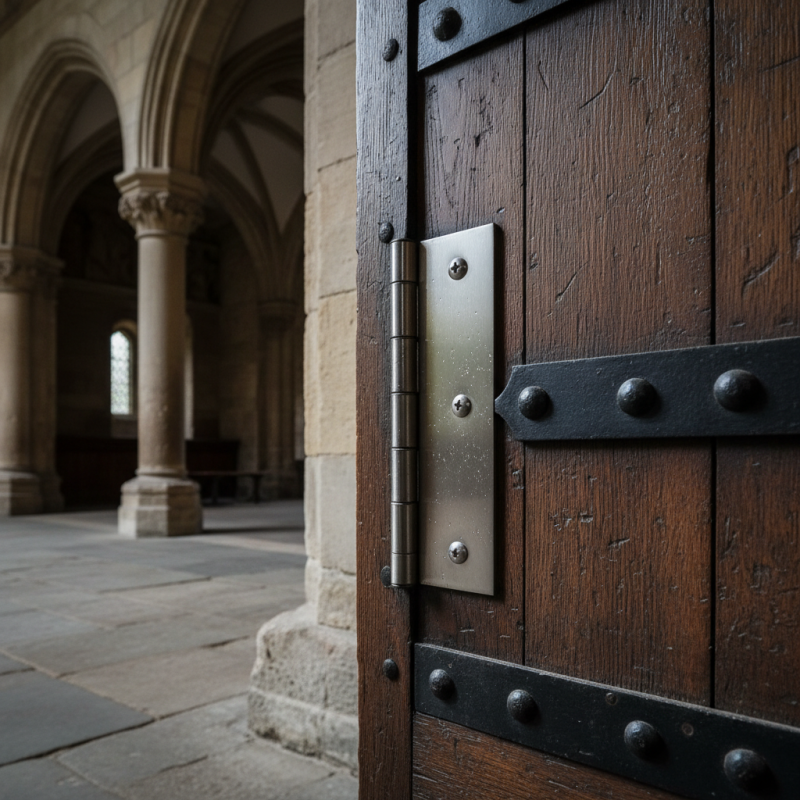
When discussing door mechanics, continuous hinges play an essential role, especially for heavy doors. These hinges extend the full height of the door, providing better weight distribution. This design prevents warping and enhances durability. Unlike standard hinges, continuous hinges can withstand greater stress from frequent use. They are ideal for commercial settings where heavy traffic occurs.
A key benefit is the enhanced security offered by these hinges. They minimize potential entry points for intruders. Moreover, their alignment keeps the door from sagging. As a result, they maintain a professional appearance while functioning effectively. It’s crucial to ensure proper installation for maximum efficiency. An improperly fixed hinge may not support the door adequately.
Tip: Regular maintenance is vital. Inspect and lubricate the hinges periodically to ensure smooth operation.
Heavy doors need robust solutions, and continuous hinges deliver. These hinges are not just about function; they contribute to safety and convenience. It’s important to choose the right materials based on your environment. Consider factors like weather resistance and load capacity.
Tip: Always consult with a professional for installation guidance. Ensuring the perfect fit aligns with the door’s weight and frequent usage.
Heavy doors present unique challenges in both commercial and residential settings. Their weight requires robust hardware tailored to support their structure. Continuous hinges are a critical component here, providing the strength and stability needed. Unlike traditional hinges, continuous hinges run the entire length of the door, distributing weight evenly. This design minimizes stress points, ensuring durability under constant use.
In addition to strength, heavy doors often face issues such as misalignment or warping. Continuous hinges help mitigate these problems by allowing for even leveling. Proper installation and maintenance are essential. Sometimes, the weight of the door can lead to wear and tear on standard hinges, causing functionality issues over time.
Consider the environment in which these doors operate. Frequent opening and closing can take a toll. Continuous hinges provide smooth operation, reducing friction. However, a lack of regular inspections may lead to unnoticed wear. Understanding these requirements and challenges helps in choosing the right hardware for heavy doors. Implementing continuous hinges could ensure long-term efficiency.
Continuous hinges offer numerous advantages over traditional hinges, especially for heavy doors. One significant benefit is their ability to distribute weight evenly across the entire length of the door. This design minimizes stress on the door frame and prolongs the life of both the door and the hinge. Heavy doors can be particularly challenging to operate, but continuous hinges make opening and closing smoother.
Another advantage is the enhanced security provided by continuous hinges. Unlike traditional hinges, which can be easily tampered with, continuous hinges provide a sturdy and robust barrier. This feature is crucial for heavy doors that often guard entrances to secure areas. Additionally, these hinges prevent door sagging, ensuring proper alignment. Proper alignment is vital to avoid gaps that may compromise security and insulation.
However, continuous hinges do require precise installation. An improper fit can lead to malfunction or excessive wear. This aspect can be a point of frustration. Consideration should be given to the door type and the intended use. Each application may require different features. Understanding these variables is important, as it allows for effective and reliable use of continuous hinges in real-world scenarios.
| Feature | Continuous Hinges | Traditional Hinges |
|---|---|---|
| Load Distribution | Evenly distributes weight across the entire door length. | Weight concentrated at the pivot point, can lead to wear over time. |
| Durability | Designed for high-traffic and heavy-use environments. | Less durable under heavy loads, prone to malfunction. |
| Aesthetics | Provides a clean, seamless look without visible hardware. | Visible hardware can detract from the door's appearance. |
| Installation | Easier to align and install on heavy doors. | Complex installations may require precise alignment. |
| Maintenance | Lower maintenance requirements due to reduced wear. | Requires more frequent maintenance to avoid breakdowns. |
When considering heavy doors, installation of continuous hinges is critical. These hinges support the entire weight of the door. They distribute force evenly, reducing stress on the door frame and latch. A study by the Door and Hardware Institute noted that continuous hinges can increase door longevity by up to 50%. This data highlights their role in maintaining structural integrity.
Installation requires precision. Continuous hinges need to align perfectly to function correctly. Even minor misalignments can lead to operational failures. Installing them too high or too low affects the door’s movement. The recommended height for installation typically falls between 36 to 48 inches from the ground. Additionally, consideration of door material is essential; heavier materials demand stronger hinges.
Moreover, using the right fasteners matters. The wrong screws can compromise hinge strength. Reports indicate that using improper hardware can result in door sagging, a common issue in heavy doors. Regular checks and maintenance can address this problem early. Even with the best installations, wear and tear can happen. Adjustments might be necessary over time to sustain optimal performance.
This chart illustrates the key considerations for installing continuous hinges on heavy doors compared to standard hinges. The metrics highlighted include weight capacity, durability in cycles, material strength, and installation time. Continuous hinges provide enhanced support, making them essential for heavy door applications.
Continuous hinges play a critical role in the longevity of heavy doors. These hinges distribute weight evenly, allowing for smoother operation and reduced wear. When maintaining heavy doors, regular inspections are vital. Look for any signs of rust, misalignment, or excessive wear. Early detection can prevent further damage.
Lubrication is essential. Use a silicone-based lubricant to keep the hinges functioning well. Apply it every few months to ensure smooth movement. If a hinge becomes stiff, it may indicate a buildup of debris or corrosion. Cleaning the hinges should be part of your routine maintenance. A soft cloth and mild soap can help remove grime and prolong the life of the hinges.
Adjustments may be necessary over time. Heavy doors can sag or shift, affecting alignment. Make sure to tighten screws and check the bracket securely. If you encounter persistent issues, consulting a professional can be a wise decision. Regular care can enhance the performance of heavy doors and save costs in the long run.
: Continuous hinges distribute weight evenly, reducing stress on the door frame and extending the lifespan of both the door and hinge.
They offer a robust barrier against tampering, making them effective for heavy doors that secure entrances.
Precise alignment is critical; misalignments can lead to operational failures in door movement.
The ideal installation height is typically between 36 to 48 inches from the ground.
Yes, heavier materials require stronger hinges to maintain proper function and support.
Improper installation or using the wrong fasteners can lead to malfunction and increased wear over time.
Regular checks can address issues like door sagging early, ensuring optimal performance over time.
Yes, they help maintain proper door alignment, avoiding gaps that can compromise security and insulation.
An improper fit can lead to malfunction, frustration, and decreased hinge lifespan.
Installation can be challenging and requires attention to detail; even small mistakes can cause significant issues.
Continuous hinges play a crucial role in the mechanics of heavy doors, providing the necessary support and stability that traditional hinges often lack. They are designed to distribute weight evenly across the full length of the door, addressing the specific requirements and challenges posed by heavy doors. This design reduces stress on the door, minimizes wear, and enhances overall functionality.
The benefits of continuous hinges over traditional options are significant, including improved security, greater durability, and smoother operation. When considering "why use continuous hinges on heavy doors," it becomes evident that their advantages extend beyond mere practicality; they also contribute to the longevity and maintenance of the door system. Proper installation and regular maintenance are essential for ensuring that heavy doors equipped with continuous hinges remain functional and reliable over time.

Globe Hardware