Continuous geared hinges are essential components in various industries. These hinges provide seamless door movements, enhancing functionality and aesthetics. They are particularly useful in commercial applications, where durability and reliability are critical. Recent market analyses suggest a rising demand for continuous geared hinges, driven by the construction sector's growth. According to data from industry reports, the global market for hinges is expected to reach $5 billion by 2025.
What is a continuous geared hinge used for? This type of hinge supports heavy doors, ensuring smooth opening and closing. Their design allows for even weight distribution along the hinge line. This feature reduces stress on the door and frame, leading to increased longevity. In hospitals and schools, these hinges are vital for safety and efficiency. It’s crucial to consider the installation process, which may require skilled labor to ensure optimal performance.
However, some installations reveal issues that require reflection. Improper alignment can lead to door malfunctions, which impact accessibility. Regular maintenance is necessary to keep hinges functioning well. Understanding what continuous geared hinges can do helps in making better design choices. Their applications are wide-ranging, yet the importance of proper installation cannot be overstated.
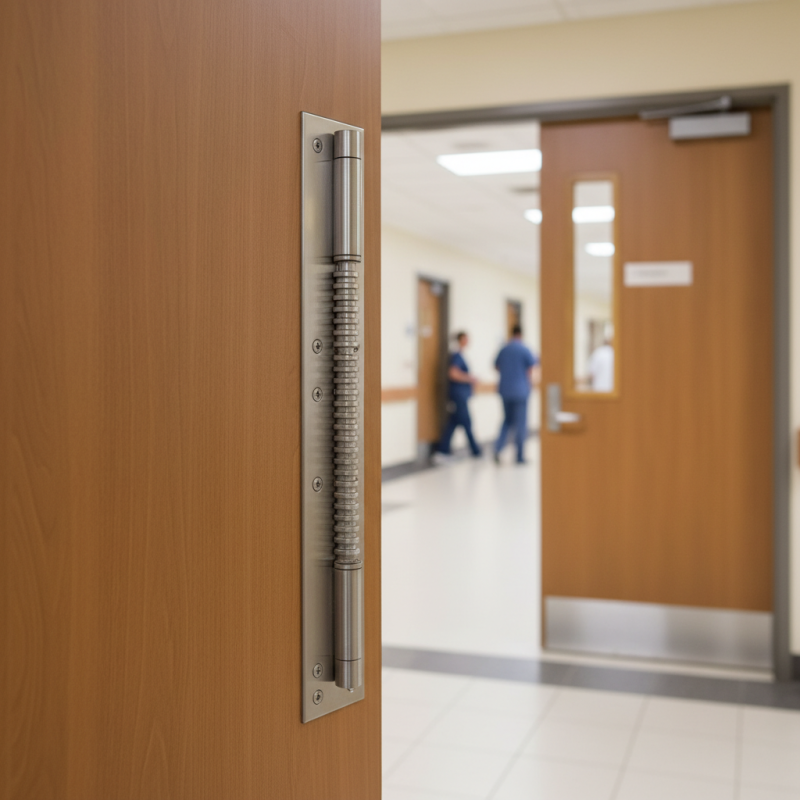
Continuous geared hinges are specialized hardware that facilitate smooth door movement. They consist of a series of interlocking gears, providing stability and support. This makes them ideal for heavy doors or those in high-traffic areas. The design allows for full-length support, reducing the risk of sagging or misalignment.
Using these hinges means you may notice better functionality. They can withstand significant weight, unlike standard hinges. This makes them suitable for large commercial doors or gymnasiums. Continuous geared hinges often help in reducing the wear and tear of door frames. This is especially important in environments where doors are frequently opened and closed.
Tip: When installing these hinges, ensure precise alignment. An improper installation can lead to noisy operation.
Another advantage of continuous geared hinges is their aesthetic appeal. They can seamlessly blend into various architectural styles. Their long, flat design can make doors look sleek and modern. However, their complexity in installation might require professional help.
Tip: Always consider the door's material and weight when selecting a hinge. The right choice leads to longevity.
Continuous geared hinges consist of interlocking gears, ensuring smooth and controlled movement. They provide a full range of motion that traditional hinges can't match. The gear mechanism allows for consistent engagement, making them suitable for heavy doors and access panels. These hinges often support significant weight, making engineering precision crucial.
Key components include the gear teeth and the mounting plates. The gear teeth ensure a snug fit, allowing for minimal play during movement. The mounting plates are vital; they provide stability and support. These hinges often use materials like stainless steel for durability. However, the complexity of installation can be challenging. Proper alignment is essential to avoid functionality issues.
In applications, continuous geared hinges find their place in areas requiring frequent access, like utility rooms and security doors. They help in controlling motion for heavy doors. Yet, maintenance can become cumbersome. Regular checks are necessary to ensure that gears remain intact and operational. Failing to do so could lead to wear and tear, resulting in operational failures.
Continuous geared hinges are essential in various industries due to their unique design. These hinges allow for smooth, sequential movement and are perfect for doors that need to open wide. They support weight evenly along the edge, giving durability and reliability.
In the commercial sector, continuous geared hinges are often used in high-traffic areas. Hospitals frequently use these hinges for their intensive care unit doors. The design minimizes wear and tear, which is crucial in busy environments. Schools also rely on them for classroom doors. Safety is a priority, and these hinges ensure functionality while maintaining security.
In the residential sector, continuous geared hinges provide aesthetic appeal. They are ideal for heavy entry doors. The smooth operation enhances the user experience. However, not all installations go smoothly. Sometimes, misalignment can occur, affecting functionality. Proper installation is vital. Careful measurement can prevent future issues.
This chart illustrates the common applications of continuous geared hinges across multiple industries, highlighting their significant usage in sectors such as construction, automotive, and aerospace.
Continuous geared hinges offer numerous advantages compared to traditional hinges. They provide a seamless and smooth operation. This hinge type ensures uniform weight distribution across its length, reducing wear and tear. Unlike standard hinges, they don’t wear out quickly. Continuous geared hinges are ideal for high-traffic areas, such as schools and hospitals. They maintain durability even with constant use.
Using these hinges also enhances aesthetics. Their continuous design eliminates gaps, creating a clean look. Traditional hinges can be bulky, detracting from the overall appearance of a door. With continuous geared hinges, you can achieve a sleek and modern finish. This is especially appealing in commercial spaces.
Tip: When selecting a hinge, consider the door’s weight. Too much stress on a traditional hinge can lead to premature failure.
Another benefit is security. Continuous geared hinges provide better alignment, which can enhance safety. Doors that close securely help prevent unauthorized access. However, installation requires precision. Misalignment could lead to functionality issues.
Tip: Always consult with a professional for installation. Proper fitting is crucial for maximum performance. Pay attention to maintenance; regular checks can extend the hinge's lifespan.
When installing continuous geared hinges, it is crucial to pay attention to alignment. Misalignment can lead to uneven wear. A report from the Architectural Hardware Manufacturers Association indicates that improper installation can reduce hinge life by up to 30%. This highlights the importance of precise measurements during installation. Using a level and ensuring the door frame is square can avoid costly mistakes later.
Maintenance is another key aspect. Regular inspection is necessary to prolong the hinges' lifespan. A survey revealed that facilities that conduct quarterly maintenance experience fewer issues than those that do not. Lubrication is essential, but over-lubrication can attract dust and debris, potentially leading to malfunction. Ensure that the hinges are clean and free from obstructions. Small actions can prevent larger problems down the line.
In high-traffic areas, hinges can show wear more quickly. It’s important to assess the need for replacement periodically. However, often, they can be repaired with simple tools and some time. Tracking wear patterns can also help predict when maintenance is needed. The key is to stay proactive rather than reactive.
: Continuous geared hinges consist of interlocking gears. They ensure smooth, controlled movement.
They have a gear mechanism for consistent engagement. This allows them to support significant weight effectively.
Proper alignment is crucial. Misalignment can lead to functionality issues and reduce hinge life.
They are used in utility rooms and security doors. High-traffic areas like hospitals also utilize them.
Regular checks are necessary, ideally every few months. This helps to ensure that gears remain operational.
Lack of maintenance can lead to wear and operational failures. Issues can escalate quickly without regular inspections.
Stainless steel is commonly used for its durability. However, material selection may vary based on application.
Yes, misalignment is a common problem. Careful measurement and installation help to prevent these issues.
Over-lubrication can attract dust and debris. This buildup could lead to malfunction over time.
Not necessarily; many hinges can be repaired with simple tools. Regular assessment can help determine the need for replacement.
A continuous geared hinge is a specialized hardware component designed to provide smooth and continuous motion for doors, gates, and other applications that require robust support and flexibility. What is continuous geared hinge used for? These hinges are widely employed in industries like commercial construction, automotive, and aerospace, where reliability and durability are paramount. The key components of continuous geared hinges allow for even weight distribution, reducing stress on the door structure and enhancing longevity.
In terms of advantages, continuous geared hinges outperform traditional hinges by offering greater load-bearing capacity, improved aesthetic appeal with seamless design, and enhanced security features. Installation and maintenance considerations are straightforward, ensuring that these hinges remain operational with minimal effort. Overall, continuous geared hinges represent a significant advancement in hinge technology, serving diverse industrial needs effectively.

Globe Hardware