Choosing the right weatherstripping for doors can drastically improve your home's energy efficiency. In 2026, options are more diverse than ever. Experts emphasize the importance of proper selection. John Smith, a leading authority in building insulation, once said, "The right weatherstripping can save you hundreds in energy bills." This underscores why understanding how to choose weatherstripping for doors is essential.
When selecting weatherstripping, consider the type of door. Exterior doors often require more durable materials to withstand the elements. Look for products like foam, V-strip, or door sweeps, each offering unique benefits. It’s crucial to measure your doors accurately to ensure a snug fit. Incorrect sizing can lead to gaps and reduced efficiency.
Installation may seem straightforward, but many overlook key details. Proper sealing is vital for effectiveness. If gaps remain, energy loss can occur. Be prepared to research various styles and materials. Experimenting with different options may be necessary. The decision can feel overwhelming, yet taking the time to explore can lead to significant savings and comfort in your home.
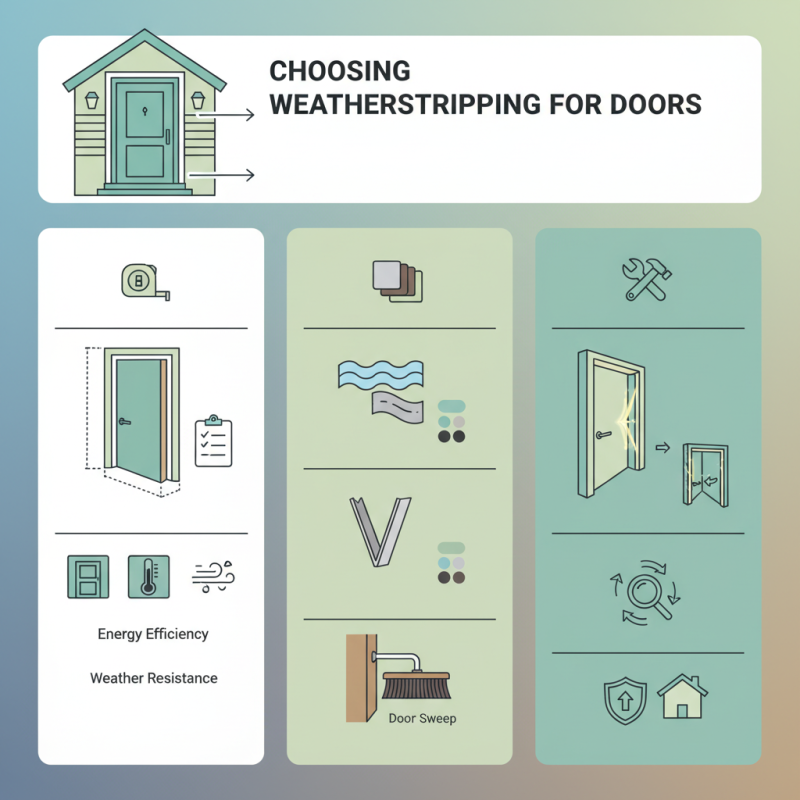
Choosing the right weatherstripping for your doors is crucial, especially in 2026. It's essential to understand the various materials available for different applications.
Foam tape is a popular choice for its ease of installation and effectiveness against drafts. It compresses well and fills gaps efficiently. However, it may wear out faster than other materials.
Vinyl is another common option. It is durable and can handle temperature fluctuations. Vinyl weatherstripping maintains its shape over time. This makes it a reliable choice for exterior doors. Yet, it can be more challenging to install, requiring precision for optimal performance.
Tips: Measure the gaps around your door before purchasing. Ensure you select a weatherstripping product that offers a tight seal. Also, consider the climate in your area. In places with harsh winters, opt for heavier-duty materials like metal or rubber. These can withstand significant wear and keep the elements at bay more effectively.
Sometimes, you may need to replace weatherstripping more frequently. Inspecting it regularly helps maintain effectiveness. Look for wear signs or gaps that may compromise insulation. Proper maintenance extends the life of your weatherstripping and enhances energy efficiency.
When selecting weatherstripping for doors, several critical factors come into play. The type of material is essential. Foam, vinyl, and rubber are popular choices. Foam is easy to install but may wear out quickly. Rubber often offers better durability but can be harder to fit. Each material has unique properties that affect performance.
Another important aspect is the door's design. An exterior door typically requires stronger weatherstripping to withstand the elements. Interior doors, however, may only need light weatherproofing. Measuring accurately is crucial. Gaps should be assessed to ensure a proper fit. Misestimating can lead to wasted materials and energy loss.
Consider installation methods. Some weatherstripping types require adhesive backing, while others involve nails or staples. Ease of installation can impact your project’s timeline and success. Choose a style that aligns with your skills and tools. Reflecting on past experiences can guide your decisions. Not every solution is perfect, and trial and error may lead to discovering the best fit for your needs.
When selecting weatherstripping for your doors, installation techniques play a crucial role. Understanding the specific style of weatherstripping can make a significant difference. For adhesive-backed foam, ensure the surface is clean and dry. This step is vital for a secure bond. Align the foam correctly before pressing it onto the door frame to avoid wrinkles.
For V-strip and metal strips, you may need some tools. Start with a utility knife for accurate cutting. Measure twice, cut once to ensure the perfect fit. When applying V-strip, begin at the top of the door. The strip should tuck neatly into the frame. Pay attention to any gaps, as air can still seep through. Metal strips often require screws; pre-drill to avoid splitting the wood.
Consider temperature changes when installing. Wood expands and contracts. Weatherstripping may need adjustments over time. Checking and maintaining your installation can lead to better energy efficiency. Reflect on your methods; are there areas you could improve? Taking a moment to analyze your work can enhance the durability of your weatherstripping installation.
Maintaining door weatherstripping is crucial for energy efficiency. Regular checks can prevent air leaks and keep your home comfortable. Look for signs of wear, such as cracks or gaps in the material. A visual inspection every few months is advisable. This simple step can save you money on energy bills.
Cleaning is another essential task. Dust and debris can affect the weatherstripping's performance. Use a damp cloth to wipe down the strips. Avoid harsh chemicals; they may damage the material. Depending on the type, some weatherstripping might need replacement every few years. It's not always clear when to replace it, so keep a close eye.
If you notice your door is hard to close, it could be a sign of ineffective weatherstripping. It sometimes needs adjustment to create a perfect seal. If you feel drafts, reconsider your weatherstripping choice. Understanding the materials and their durability can help you make informed decisions. Ultimately, regular maintenance will ensure your home remains efficient and comfortable.
In 2026, weatherstripping design trends prioritize energy efficiency and sustainability. Research from the U.S. Department of Energy shows that about 30% of energy loss occurs through doors and windows. This statistic drives innovation in weatherstripping options, with materials like silicone and rubber becoming increasingly popular. These materials provide excellent insulation, helping homeowners save on energy bills.
Moreover, aesthetic considerations have gained importance. Contemporary designs now feature various colors and finishes. This shift reflects consumer preference for products that blend seamlessly with their decor. Studies indicate that 45% of homeowners prioritize appearance alongside functionality when selecting weatherstripping.
Yet, challenges remain. Many products on the market fail to meet longevity requirements. A report from the National Home Builders Association highlights that up to 20% of installed weatherstripping may have durability issues. This inconsistency leads consumers to rethink their choices. Availability of reliable information about products could improve decisions. Homeowners are urged to research before making a selection. Overall, understanding these trends is crucial for optimal door weatherstripping in 2026.
: Foam tape is easy to install but wears out quickly. Vinyl is durable and retains its shape. Rubber lasts longer but is harder to fit.
In harsh winters, opt for heavier-duty materials like metal or rubber. These can resist significant wear and keep drafts out effectively.
Inspect weatherstripping regularly. Signs of wear or gaps indicate it's time for replacement. This maintenance ensures better insulation and efficiency.
Accurate measurements ensure a proper fit for weatherstripping. Misestimation can lead to wasted materials and energy loss over time.
Yes, some require adhesive backing, while others need nails or staples. Choose based on your skills and tools for best results.
Not necessarily. Exterior doors need stronger weatherstripping. Interior doors might only require light weatherproofing, based on their purpose.
In 2026, understanding "how to choose weatherstripping for doors" involves several key factors. First, it's essential to explore the various types of weatherstripping materials available, such as foam, felt, and vinyl, each offering unique benefits for different door applications. Additionally, factors like climate, door usage, and aesthetic preferences must be considered to ensure optimal performance and durability.
Installation techniques for different weatherstripping styles vary and play a crucial role in effectiveness. Regular maintenance tips can help maintain the efficiency of door weatherstripping, prolonging its lifespan. Furthermore, staying informed about the latest trends in weatherstripping design and functionality can enhance both energy efficiency and appearance, making your choice more impactful.

Globe Hardware