Choosing the right hardware for either interior or exterior applications is critical in the construction and design industries. As we approach the 2026 Fair, many buyers are faced with the question, "How to choose between interior and exterior hardware?" This decision can greatly affect aesthetic appeal and functional performance.
Recent industry reports highlight that the global architectural hardware market is projected to reach USD 40 billion by 2027. With advancements in technology, especially at trade shows such as the forthcoming Canton Fair, buyers can leverage AI tools to filter suppliers based on specific certifications like ISO and CE. This feature boosts efficiency in navigating the vast exhibition space.
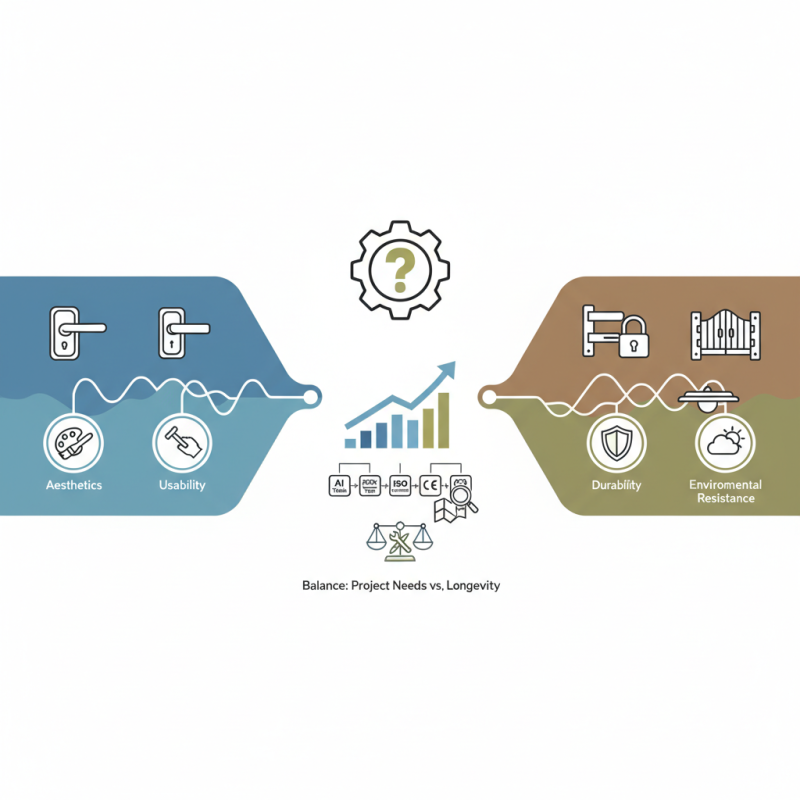
However, selecting the right hardware is often complex. Interior hardware needs to blend style with usability, while exterior options must withstand environmental challenges. The allure of aesthetics must be weighed against durability; thus, it's crucial to assess both options against project needs. Striking the right balance can minimize costly errors later on.
Choosing hardware for interior spaces can be a challenging task. You need to consider both functionality and aesthetics. The right hardware can make a room feel more cohesive. It can also enhance the overall design of the space.
One important factor is the material of the hardware. Will you choose metal, wood, or something else? Each material has its own charm and durability. For instance, metal can add a modern touch, while wood offers warmth. Think about how these choices align with the room's theme. Sometimes, it’s easy to get caught up in trends. This can dilute what you truly want for your space.
Another aspect to ponder is the size and scale of the hardware. Oversized knobs might overwhelm delicate furniture. Conversely, tiny handles can get lost in larger cabinetry. Visual balance is crucial. Pay attention to how the hardware interacts with existing elements. Reflect on what feels right and what doesn’t. It’s okay to change your mind during the selection process. Designing a space takes time and experimentation.
When choosing between interior and exterior hardware, aesthetics play a crucial role. Interior hardware can enhance the warmth of a home. Options like sleek door handles, stylish cabinet knobs, and elegant hinges add charm. Each piece should reflect personal style. However, there is often a tendency to rush this choice. Homeowners may overlook how colors and finishes can clash. It's worth taking time to visualize different combinations.
Exterior hardware needs a different approach. It should withstand the elements while also being visually appealing. Consider weather-resistant finishes that maintain their beauty over time. The design should complement the overall architecture. Many get lost in the idea of matching everything perfectly. Sometimes, bold contrasts can create a more inviting entrance. Remember, functionality is as important as aesthetics.
The key is balance. Strive for harmony between style and practicality. You might feel overwhelmed by choices. Narrow down your options based on the mood you want to create. It’s okay if some pairings don’t work at first. The process of finding the right fit can lead to unexpected discoveries.
When considering exterior hardware, the focus on durability and weather resistance is crucial. The average lifespan of exterior hardware, such as hinges and locks, is about 10-15 years, according to industry reports. However, many factors can reduce this lifespan. Moisture, temperature changes, and UV exposure can lead to corrosion and rust. Choosing materials wisely can improve performance.
For example, stainless steel and brass are popular choices. They offer excellent resistance to rust and wear. Understanding the local climate can guide your decisions. In regions with high humidity, for example, look for products with a protective coating. A recent survey found that 72% of homeowners prioritize weather-resistant features in their exterior hardware.
Installation matters, too. Improper installation can lead to early wear and failure. Many hardware pieces are overlooked during this phase, leading to costly replacements. Regular maintenance also gets neglected. A simple wash or inspection twice a year can significantly extend the life of your exterior hardware. Often, homeowners underestimate the importance of these small tasks, leading to larger issues down the line.
| Hardware Type | Durability (Years) | Weather Resistance | Common Materials | Maintenance Requirements |
|---|---|---|---|---|
| Exterior Door Hardware | 10-15 | High | Stainless Steel, Brass, Aluminum | Regular cleaning, lubrication |
| Window Hardware | 15-20 | Very High | Vinyl, Aluminum, Composite | Minimal, check seals |
| Deck Hardware | 5-10 | High | Galvanized Steel, Composite | Periodic inspection, clean debris |
| Fencing Hardware | 10-12 | Moderate | Steel, Wood, PVC | As needed, paint, or treatment |
When planning for the 2026 Fair, budgeting becomes crucial.
Interior and exterior hardware differ significantly in cost and functionality.
According to industry data, exterior hardware can be up to 30% more expensive than interior options.
Materials for outdoor use need to withstand various weather conditions.
This drives up costs substantially.
Tips:
Consider your environment. If you live in a humid area, choose rust-resistant materials.
This upfront cost could save money long-term. You can find affordable options, but they might sacrifice durability.
Interior hardware usually has a range of prices.
The average project sees about 20% of the budget dedicated to this area.
While many choose to splurge on aesthetics, it's essential to balance beauty and function.
Check if the hardware aligns with your design vision while staying within budget constraints.
Tips:
Look for local suppliers. Reducing shipping costs can help manage your budget better.
Compare options and see if certain styles work in both interior and exterior contexts.
Research shows creative repurposing can lower expenses.
At the 2026 Fair, hardware design is evolving rapidly. Trends indicate a strong push towards sustainability and aesthetic diversity. According to a recent industry report, 72% of consumers prefer eco-friendly materials in their hardware choices. Innovations, such as smart hardware, are also on the rise. These products not only enhance functionality but also cater to modern design sensibilities.
When choosing between interior and exterior hardware, consider durability and style. Exterior hardware often faces harsh weather conditions. Materials like stainless steel or brass are recommended for longevity. Interior hardware can lean towards aesthetic choices. Expect to see minimalist designs and vibrant finishes dominating the space.
Tips: Focus on how hardware fits with the overall design theme. Ensure it complements both the function and form. Remember, it’s essential to assess usability against visual appeal. Many overlook this balance, leading to mismatched designs. The right hardware can elevate any space, but careful thought is critical. Consider testing samples before making a final decision. There’s much to explore at the Fair, giving you opportunities to embrace new inspirations.
: Budgeting ensures you choose hardware that fits your financial plan for projects like the 2026 Fair.
Exterior hardware can be up to 30% more expensive due to materials that resist weather issues.
Opt for rust-resistant materials to avoid future costs and maintain durability in such climates.
Around 20% of the overall budget is usually dedicated to interior hardware options.
Current trends emphasize sustainability and aesthetic diversity, with a rise in eco-friendly materials.
Many focus too much on looks, neglecting how well hardware fits its purpose, leading to mismatched designs.
Look for local suppliers to save money and manage your project budget more efficiently.
Test samples to ensure durability and style align with the overall design theme of your space.
Minimalist designs and vibrant finishes are expected to dominate the hardware space at the Fair.
Smart hardware options not only improve usability but also align with modern design trends, offering more choices.
When considering how to choose between interior and exterior hardware at the 2026 Fair, several key factors come into play. It’s essential to evaluate the specific requirements of your space, including aesthetics, functionality, and durability. While interior hardware often focuses on design appeal and complementing interior decor, exterior hardware must prioritize weather resistance and longevity due to exposure to the elements.
In addition to these considerations, a cost analysis is crucial in budgeting for either option. Understanding the financial implications of interior versus exterior hardware can help in making informed decisions. Lastly, staying updated on trends and innovations presented at the fair can inspire creative solutions that balance style with practicality, guiding consumers in making choices that best suit their needs.

Globe Hardware