Choosing the right hardware for commercial doors is crucial for security and functionality. According to a report by the Door and Hardware Institute (DHI), improper hardware selection can lead to a 30% increase in maintenance costs over time. Understanding how to choose hardware for commercial doors is not just a matter of aesthetics; it involves considering durability, user traffic, and specific requirements of each facility.
Industry expert Jack Sullivan emphasizes the importance of making informed decisions. He states, "Selecting the right hardware can significantly impact both safety and accessibility." Companies face a variety of options that must align with their operational needs. For instance, a high-traffic area such as a hospital might require different hardware compared to an office building. Each scenario requires careful evaluation to ensure the best choice is made.
With so many factors at play, mistakes can happen. Not all hardware suits every environment. It's essential to research and review products available in the market. This diligence can prevent future complications. By focusing on the essential criteria, businesses can better navigate the complex landscape of commercial door hardware selection.
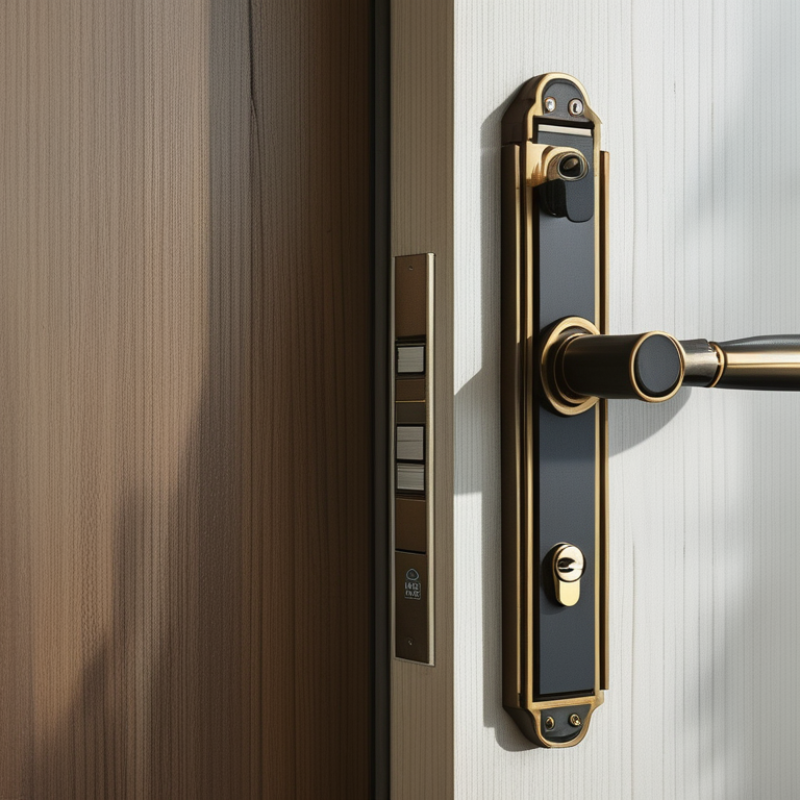
Understanding Different Types of Commercial Door Hardware and Their Uses
Choosing the right hardware for commercial doors is crucial for security and functionality. Various types of hardware serve different purposes. Locksets, for instance, ensure the door remains secure while providing easy access. They come in various styles, including deadbolts and knob locks, each designed for specific security needs.
Hinges are another essential hardware element. They must support the door's weight and withstand frequent use. Selecting heavy-duty hinges is wise for high-traffic areas. For fire doors, special hinges that can withstand extreme temperatures are necessary.
When selecting hardware, consider the door's environment. Outdoor doors may require weather-resistant materials. Additionally, think about aesthetic appeal and how it fits with the overall design. Not all hardware matches every door style.
Tips: Always verify the hardware's durability claims. Test different options before making a decision. Consult with an expert to ensure the right fit for your needs, especially in specialized environments. Keep user convenience in mind; functionality should not be sacrificed for form alone.
Evaluating Material Durability and Performance Standards for Door Hardware
Choosing the right hardware for commercial doors involves careful consideration of material durability and performance standards. Different environments subject doors to various stresses. For instance, a high-traffic area requires stronger materials to withstand frequent use. Stainless steel often provides the necessary strength and can resist corrosion, making it suitable for many commercial settings.
Evaluate the performance standards relevant to your industry. Look for hardware that meets or exceeds these standards. Consider factors like load-bearing capacity and resistance to wear and tear. Some hardware may look appealing but lack the necessary robustness. Regular assessments of your hardware choices can reveal if they are living up to expectations. Remember, even small details like the finish can impact performance and durability. Reflect on past choices; they can guide better decisions in the future. Proper selection can save costs in repairs and replacements down the line.
Durability and Performance Standards for Commercial Door Hardware
Analyzing Security Features: Locks, Panic Bars, and Access Control Options
Choosing hardware for commercial doors requires careful consideration, especially regarding security features. Locks, panic bars, and access control options are vital components that can influence safety and accessibility. According to a report by the Security Industry Association, nearly 70% of businesses experience security breaches due to inadequate door hardware.
Locks are the first line of defense. Different types offer varied levels of security. Deadbolts provide higher strength than standard locks. It’s important to assess the materials used in the locks, as stronger materials enhance durability. Furthermore, consider the keying options available. Restricted key systems prevent unauthorized duplication, which adds an extra layer of security.
Panic bars are essential for emergency exits. They allow quick exits during emergencies, complying with safety regulations. Ensure that the mechanisms are easy to use and properly installed. According to the National Fire Protection Association, improper panic bar installation can lead to severe consequences during emergencies.
Tip: Regularly inspect hardware for damage. Enhanced maintenance prolongs the life of security features.
Access control systems allow for better management of entry points. They can provide data on who enters and exits a building. Integration with surveillance systems improves security significantly. However, these systems require ongoing management. Without proper oversight, access control can become vulnerable.
Tip: Conduct regular training for staff on using access systems effectively. This step ensures everyone understands security protocols.
Considering Aesthetic Trends and Compliance with Building Codes
When selecting hardware for commercial doors, aesthetic trends and compliance with building codes play critical roles. Architectural styles continuously evolve. Modern designs often prioritize simplicity and elegance. Data from the American Institute of Architects suggests that over 60% of commercial buildings now favor minimalist aesthetics. Choosing hardware that aligns with these trends enhances the overall appeal of your project.
Compliance with building codes is non-negotiable. Regulations vary significantly by location. According to the International Code Council, nearly 40% of commercial constructions face delays due to non-compliance issues. This highlights the importance of selecting appropriate hardware. Not only does it impact safety, but it also influences insurance costs. Ensure that your hardware meets fire safety and accessibility standards. Accessibility features, such as lever handles, are increasingly required.
Reflect on the balance between style and function. Hardware must not only look good but also perform reliably. Trends may suggest sleek finishes, like brushed nickel or matte black. Yet, durability must remain a priority. Many aesthetics may not hold up over time. Regular audits of your selections can improve longevity and utility. It’s crucial to remain vigilant about changing codes and design preferences as well.
Assessing Cost-Effectiveness and Long-Term Maintenance for Hardware Choices
When selecting hardware for commercial doors, cost-effectiveness and long-term maintenance are crucial factors. A report by the Door and Hardware Institute states that poor hardware choices can lead to an increase in maintenance costs by as much as 25%. This highlights the essential need for thorough evaluation. Opting for durable materials can reduce replacement needs and unexpected repairs. Investing in higher-quality components often pays off in the long run.
Lifespan is another critical element. According to industry studies, high-grade hardware typically has a lifespan of 10 to 15 years, while lower-quality options can fail within five years. This short lifespan leads to frequent replacement, impacting overall costs. Regular maintenance checks are necessary, even for robust options. Lack of attention can lead to safety hazards or increased wear.
Another consideration is energy efficiency. Quality hardware often improves the thermal performance of doors, leading to reduced energy bills. A study from the American Society of Heating, Refrigerating, and Air-Conditioning Engineers indicates that heating costs can decrease by up to 20% with proper hardware selection. Still, it’s essential to weigh initial investment against potential long-term savings. Often, the right choice isn't clear-cut and may require thoughtful analysis.
How to Choose the Right Hardware for Commercial Doors?
| Hardware Type |
Cost Estimate ($) |
Durability (Years) |
Maintenance Frequency (Years) |
Cost-Effectiveness Rating |
| Standard Mortise Lock |
150 |
10 |
5 |
Good |
| Electronic Access Control |
500 |
8 |
3 |
Moderate |
| Panic Bar Exit Device |
250 |
7 |
4 |
Good |
| Deadbolt Lock |
100 |
15 |
10 |
Excellent |
| Glass Door Patch Fitting |
300 |
5 |
2 |
Fair |
Conclusion
When exploring how to choose hardware for commercial doors, it's essential to understand the variety of options available and their specific uses. Different types of commercial door hardware vary in material durability, performance standards, and security features. Evaluating these factors can help ensure that the selected hardware meets the building's security and functionality requirements while also adhering to aesthetic trends and compliance with local building codes.
Additionally, cost-effectiveness and long-term maintenance considerations play a critical role in the decision-making process. By analyzing these aspects, businesses can invest in hardware that not only enhances security with options like locks and panic bars but also aligns with their operational needs and budget. Ultimately, a thoughtful approach to selecting commercial door hardware ensures safety, compliance, and durability over time.

 Globe Hardware