Choosing door hardware for a high-traffic area is not a decorative decision. It affects safety, access, maintenance, and daily operating costs. In a busy school, hospital, hotel, or office, a door may open hundreds of times each day. Hinges loosen, closers lose speed, and finishes show scratches quickly. Small weaknesses become visible fast.
The practical question is, How to choose hardware for high traffic doors? Start with the door’s usage, weight, width, and surrounding environment. Heavy-duty hinges should support repeated movement without sagging. Commercial-grade closers should control the door smoothly, even during rushed entry. Lever handles often provide easier access than round knobs. In damp or coastal locations, corrosion-resistant materials deserve closer attention. Stainless steel is not always the perfect answer, though. Its grade, finish, and installation still matter.
Safety and compliance must guide the final selection. Check accessibility requirements, fire-door ratings, and local building regulations before ordering. Manufacturer specifications can reveal cycle ratings, adjustment ranges, and suitable door weights. An experienced installer can also identify problems that product pages miss, such as frame weakness or poor alignment. I have seen attractive hardware fail early because the door was not balanced correctly. That mistake is easy to overlook.
No choice is permanent. Usage patterns change. A quiet office may become a crowded reception area within a year. Review maintenance records, user feedback, and visible wear after installation. Reliable hardware is not simply the strongest option. It is the right combination of durability, usability, compliance, and serviceability.
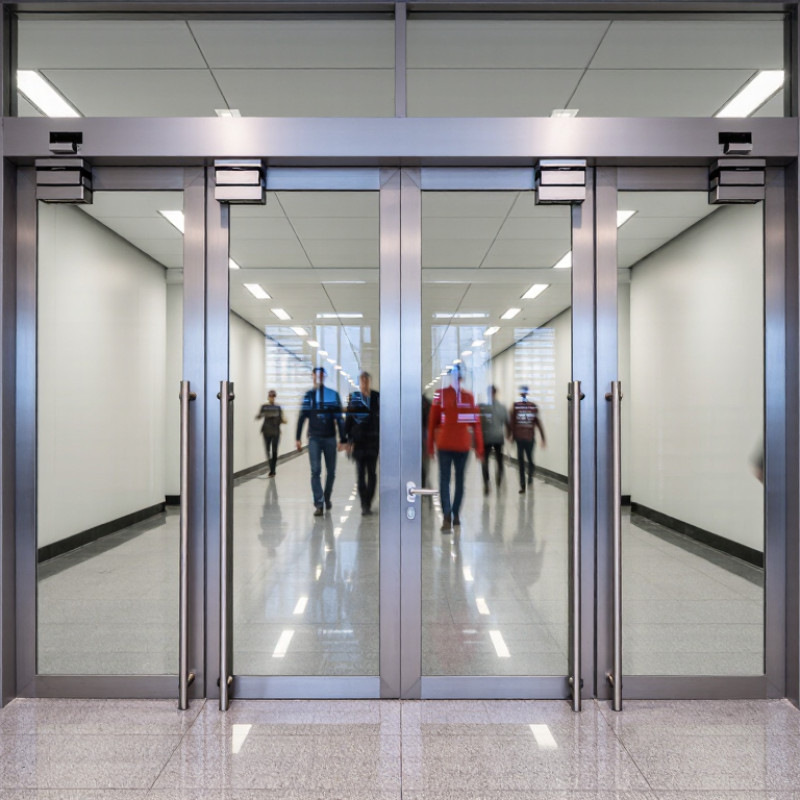
Define Traffic Levels and Door Usage Requirements
How to Choose Door Hardware for High Traffic Areas?
Door hardware selection should begin with actual traffic levels, not assumptions. Count entries during busy periods, then record the quietest and busiest hours. A school corridor may experience short bursts before classes, while a clinic may receive steady movement all day. Low traffic often means fewer than 50 openings daily. Medium traffic may reach several hundred. High traffic can involve thousands of openings, shared by staff, visitors, carts, or equipment.
Usage requirements matter as much as door counts. Note the door’s weight, width, swing direction, and opening force. A heavy fire-rated door needs different hardware from a lightweight interior door. Check whether users carry boxes, push carts, or use mobility devices. These details affect lever shape, closer strength, and access control needs. Wet entrances, dusty workshops, and outdoor exposure also demand suitable materials and protection.
A simple headcount can mislead. I once reviewed a doorway that seemed moderately used, but delivery carts struck it repeatedly during short morning periods. That impact caused more damage than normal foot traffic. Measure peak activity, not only daily averages. Ask maintenance staff how often adjustments are needed. Review hinge wear, loose fasteners, and closing speed over several weeks. Even a careful estimate can be wrong. Leave room for seasonal changes and future occupancy. Hardware rated for expected cycles, installed correctly, and inspected regularly usually performs more reliably.
Identify Essential Door Hardware Performance Features
How to Choose Door Hardware for High Traffic Areas?
High traffic doors need hardware designed for repeated movement, impact, and rushed use. In a school corridor, a door may open hundreds of times before lunch. Choose hinges, closers, handles, and latches tested for high cycle counts. Check the manufacturer’s tested rating, not only the product description. That detail matters.
Look for corrosion resistance in wet entrances and durable finishes near carts or delivery zones. Door closers should control speed without creating a heavy opening force. Handles must feel secure when users carry boxes, bags, or wet gloves. The latch should engage fully, even when the door is slightly misaligned. Small gaps can become daily failures.
Maintenance access is another essential feature. Select components with replaceable wear parts and clear adjustment points. Confirm that the complete door assembly meets relevant fire, accessibility, and safety requirements. Local regulations still decide the final specification. Do not assume one solution fits every building.
I once focused too heavily on cycle ratings and overlooked cleaning routines. Dust gathered around the latch, causing occasional sticking. That mistake changed my approach. Performance depends on installation, alignment, maintenance, and user behavior. Test the hardware on a real opening before approving large quantities. A sample door reveals problems that drawings often hide.
Match Hardware Types to Door Function and Location
Choosing door hardware for high-traffic areas starts with the door’s function, not its appearance. A staff entrance, public restroom, and fire-rated corridor face different pressures. For a busy entrance, use a lever or pull handle that works with one hand and resists repeated impact. Pair it with a heavy-duty closer when the door must shut reliably. A restroom door may need privacy hardware, but accessible operation remains essential. Keep it simple. In a hospital corridor, hands-free or elbow-operated options can reduce contact, while clear visual indicators help visitors find the right room. Hardware should suit the users, too. Children, older adults, and people carrying boxes may struggle with stiff knobs or narrow grips.
Location changes the specification. Exterior doors need corrosion-resistant materials and fasteners, especially near rain, salt air, or cleaning chemicals. Interior service doors may benefit from kick plates, lever handles, and stronger hinges because carts often strike them. For emergency exits, select hardware that supports quick egress and follows applicable building and fire-safety requirements. A site survey catches details drawings miss: uneven floors, door weight, frame damage, and pedestrian flow. Measure real use during peak periods. Quiet offices can hide problems. I once saw a closer adjusted too tightly; the door protected the room but frustrated every user. That was not a successful choice. Review maintenance access and replacement needs before approval. Hardware that matches the location lasts longer when installers check alignment and test realistic use.
How to Choose Door Hardware for High-Traffic Areas?
Match hardware to door function and location. The chart compares common hardware options against practical selection criteria used in busy commercial spaces.
Lever handles, push plates, and panic devices support one-hand operation without tight grasping or twisting, consistent with accessible-design principles. Panic devices are intended for exit doors where rapid egress is required. Final selection should also consider door weight, fire-rating requirements, security, and local building codes.
Evaluate Materials, Durability, Safety, and Accessibility
How to Choose Door Hardware for High Traffic Areas?
Evaluate Materials, Durability, Safety, and Accessibility
In busy schools, hospitals, and offices, door hardware faces thousands of daily touches.
Choose materials that tolerate impact, moisture, and frequent cleaning. Stainless steel usually resists corrosion and surface wear. Solid metal components often perform better than thin, decorative pieces. Check the mounting screws, spindle, and internal springs, not only the visible finish. A strong handle can still fail when its fixings loosen.
Durability should match actual traffic.
Ask for tested cycle ratings and examine the maintenance requirements. A corridor door may need hardware designed for constant use, while a storage room may not.
I have seen attractive handles become loose within months because installers ignored door weight and alignment. That mistake is easy to repeat. Inspect hinges, closers, and locks together, since one weak part can overload the others.
Safety and accessibility deserve equal attention.
Lever handles are generally easier to operate than round knobs, especially for people with limited hand strength. Keep operating forces low, and avoid sharp edges or pinch points near the frame. Exit doors must support safe egress and follow applicable building and fire-safety requirements. In a healthcare corridor, a smooth, cleanable surface matters. In wet areas, textured finishes may improve grip, but they can collect dirt. Test a sample at full scale before ordering. A five-minute trial can reveal awkward reach, glare, or a closing speed that feels unsafe.
Plan Installation, Maintenance, and Long-Term Replacement Needs
In high traffic areas, door hardware should be chosen as part of a service plan, not as a final decoration. Observe the entrance during its busiest hour. Count cycles, and note carts, wet shoes, slammed doors, and users carrying boxes. A busy clinic, school, or apartment lobby may need different hardware, even when the doors look similar. Select components rated for expected traffic and compatible with the door, frame, and access requirements. Check local building and accessibility rules before ordering.
Installation deserves a written sequence. Confirm handing, clearances, fastener types, and floor conditions before drilling. A small alignment error can make a door closer work harder and shorten its life. After fitting, test the door repeatedly with normal loads, including a slow wheelchair approach and a hurried exit. Record adjustment settings, installer details, dates, and replacement parts. This record turns a future repair into a manageable task.
Maintenance should follow actual use, not guesswork. Inspect loose screws, worn pivots, damaged seals, noisy closers, and latch engagement at scheduled intervals. Clean moving surfaces with approved methods. Excess lubricant can attract grit. Keep critical spare parts on site when a failed door would disrupt operations. Plan replacement before failure, perhaps during a low-occupancy period. I have found that schedules are often too optimistic. Dust, misuse, and delayed reporting change the real timeline. Review inspection notes quarterly and revise the plan honestly.
FAQS
Count openings during the busiest periods, not only the daily average. Record quiet hours and peak hours. A school corridor may surge before classes. A clinic may stay busy all day. Low traffic can mean fewer than 50 daily openings. High traffic may involve thousands. Leave room for seasonal changes.
Check the door’s weight, width, swing direction, and opening force. Note whether users carry boxes or push carts. Mobility devices also matter. Heavy doors need stronger closers and hinges. Lightweight interior doors need different hardware. Small details change the specification.
Choose hinges, closers, handles, and latches tested for repeated cycles. Review tested ratings carefully. Do not rely only on descriptions. The latch should engage fully after closing. Closers should control speed without making the door difficult to open. Test a sample door first.
Lever or pull handles usually support one-handed operation. They help people carrying bags, boxes, or wet gloves. Avoid narrow grips and stiff knobs where possible. Children and older adults may struggle with them. Simple is often better.
Exterior doors need corrosion-resistant materials and fasteners. Rain, salt air, and cleaning chemicals can damage exposed parts. Service doors may need kick plates and stronger hinges. Carts can strike them repeatedly. Location is not decoration.
Select hardware that supports quick egress and applicable safety requirements. A heavy fire-rated door needs suitable hinges, closers, and latching components. Confirm the complete assembly, not just one part. Local requirements decide the final specification. Never assume identical doors need identical hardware.
Misalignment can prevent the latch from engaging. Loose fasteners and worn hinges can change closing speed. Inspect the door over several weeks. Ask maintenance staff about repeated adjustments. Choose parts with replaceable wear components. Even good hardware can fail when poorly installed.
Do not measure only average daily use. Short delivery periods may create severe impacts. Do not focus only on cycle ratings. Dust around a latch can cause sticking. I once overlooked cleaning routines. That choice needed reconsideration. Real use often reveals hidden problems.
Conclusion
Choosing door hardware for busy environments begins with understanding traffic levels, door frequency, user types, and operating conditions. The key question is: How to choose hardware for high traffic doors? Start by identifying essential performance features such as strength, smooth operation, resistance to wear, reliable latching, and controlled closing. Hardware should match the door’s function and location, whether it serves as an entry, restroom, corridor, emergency route, or service access point.
Material selection is equally important. Durable, corrosion-resistant components can improve service life, while suitable designs should support safety, accessibility, and comfortable use for all occupants. Consider the complete lifecycle rather than the initial purchase alone. Proper installation, routine inspection, lubrication where appropriate, and timely adjustment can prevent premature failure. It is also helpful to document maintenance requirements and plan for future replacement of high-wear parts. By balancing traffic demands, door purpose, performance, durability, and long-term upkeep, facility managers can create dependable door systems that remain functional and safe over time.

 Globe Hardware