Heavy doors demand specific hardware for optimal performance and durability. One effective choice is continuous hinges. They offer unique benefits that standard hinges cannot match. Understanding why use continuous hinges on heavy doors is essential for ensuring longevity and functionality.
Continuous hinges, also known as piano hinges, provide full-length support. This design evenly distributes weight, preventing door sagging. Heavy doors experience considerable stress, especially under regular use. Continuous hinges reduce wear and tear, promoting stability over time.
Investing in quality hinges may seem costly upfront. However, the long-term benefits outweigh these initial expenses. Choosing continuous hinges can lead to fewer repairs and replacements. This choice reflects a commitment to quality and reliability. It also highlights a need for reflection on current hardware choices. As we evaluate our selections, we can better serve our spaces and users.
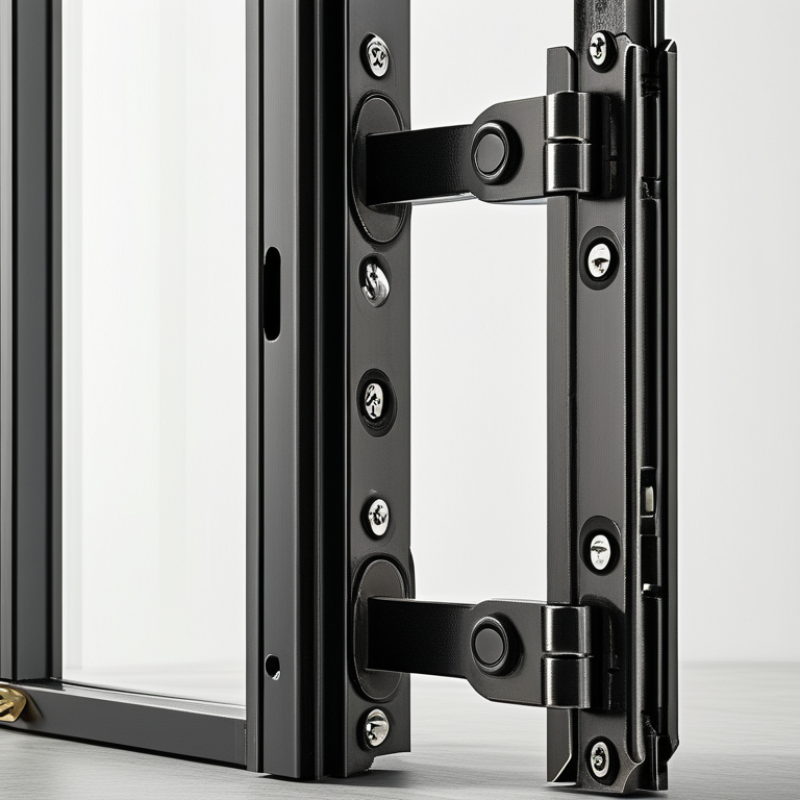
Continuous hinges, also known as piano hinges, are crucial for heavy doors. These hinges run the entire length of the door, providing consistent support. According to industry reports, continuous hinges can increase the lifespan of doors by up to 50%. This is particularly important in high-traffic areas where wear and tear is common.
The mechanism of continuous hinges distributes weight evenly across the door. This reduces stress at specific points, minimizing failures. With a standard hinge, concentrated force can lead to bending and breakage over time. In contrast, continuous hinges help maintain structural integrity. A study from the American Architectural Manufacturers Association noted that using continuous hinges can significantly lower maintenance costs in commercial buildings.
Understanding the installation of continuous hinges is just as vital. Many installers overlook proper alignment, which can lead to performance issues. Misalignment can result in uneven wear and hinge failure. Thus, skilled installation is crucial to maximize the benefits of these hinges. Properly installed continuous hinges can handle heavier doors effectively, ensuring long-lasting performance.
| Feature | Description | Benefits | Application |
|---|---|---|---|
| Full Length | Continuous hinges run the entire length of the door. | Provides better load distribution and stability. | Heavy doors, security doors. |
| Durability | Made from robust materials like stainless steel or aluminum. | Resistant to wear and tear, extends hinge lifespan. | Commercial and industrial settings. |
| Low Maintenance | Requires minimal lubrication and upkeep. | Reduces maintenance costs over time. | Places with high traffic. |
| Aesthetic Appeal | Sleek design that enhances the overall look of doors. | Improves the door’s appearance, fitting modern designs. | Office buildings, retail environments. |
| Security | Increased reinforcement compared to standard hinges. | Enhances door security, resistant to forced entry. | Galleries, banks, and other high-security areas. |
: Continuous hinges, or piano hinges, run the entire length of a door. They support heavy doors and improve durability.
They can increase door lifespan by up to 50%, especially in high-traffic areas. This reduces the need for frequent replacements.
Misalignment is a common mistake. It can lead to uneven wear and functional issues over time.
You'll need a drill, screws, a screwdriver, and a level. Proper tools help ensure a stable installation.
Proper alignment prevents operational issues like dragging or catching. It extends the life of the hinges and the door.
Yes, they accommodate various door sizes and materials, making them versatile for many applications.
They are suitable for outdoor applications due to their durable construction, which withstands harsh environments.
Regular maintenance checks help keep them functioning smoothly. Observing door motion can identify tweaks needed for better performance.
Their installation can be complex. Misalignment can cause issues, requiring skilled installation to ensure optimal functionality.
They are commonly used in schools, hospitals, and factories for their reliable performance under heavy use.
Continuous hinges, often utilized for heavy doors, provide a robust solution due to their unique design and mechanism. "Why use continuous hinges on heavy doors" is primarily linked to their ability to distribute weight evenly along the entire length of the door, preventing sagging and ensuring smooth operation. This feature is particularly advantageous in high-traffic areas or heavy-use environments.
The installation process for continuous hinges is straightforward, often requiring minimal adjustments, which enhances their appeal across various industries. Common applications range from industrial facilities to commercial establishments, where reliability and durability are essential. To ensure longevity, regular maintenance such as lubrication and inspection can significantly extend the lifespan of continuous hinges, making them a practical choice for those seeking efficiency and sturdiness in heavy door applications.

 Globe Hardware