Choosing the right weatherstripping for your doors is crucial for energy efficiency. Around 25% of a home's heat loss occurs through untreated doors, according to the U.S. Department of Energy. Understanding how to choose weatherstripping for doors can significantly impact comfort and utility costs.
Various types of weatherstripping materials exist, each with unique properties. Foam tape is affordable but might not last as long as more durable options like metal strips. This can lead to repeated replacements, adding to long-term costs. It's essential to evaluate both initial investment and longevity when making a choice.
Homeowners often overlook the importance of proper installation. Even the best weatherstripping will falter if not applied correctly. Thinking critically about these factors is vital. Make informed decisions based on reliable information and personal needs. Ultimately, the right weatherstripping can transform your home's efficiency and comfort.
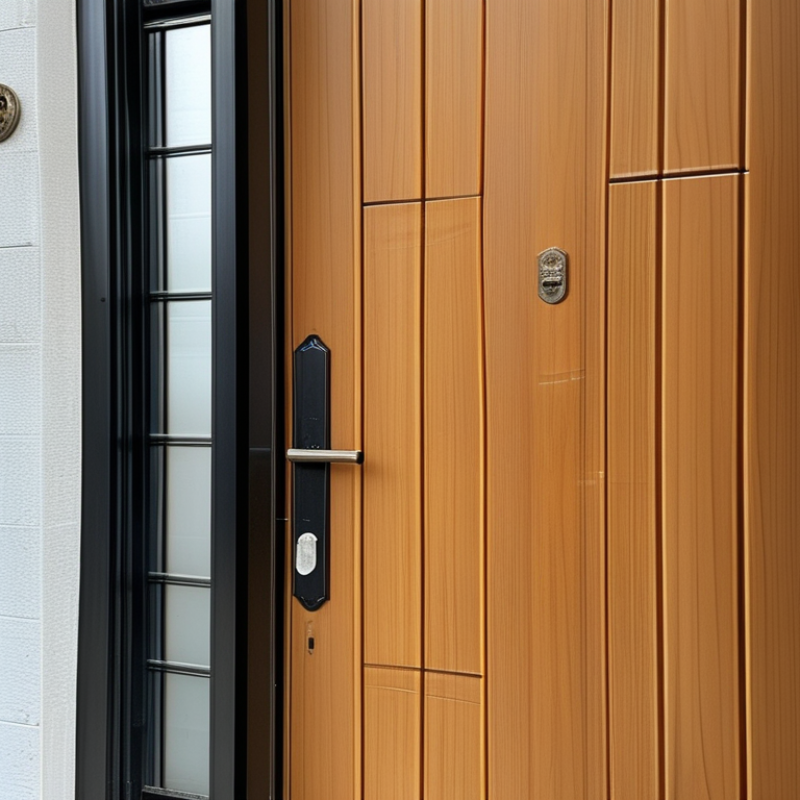
Factors to Consider When Choosing Weatherstripping for Doors
When selecting weatherstripping for doors, several key factors must be considered. The first is the type of material. Options include foam, vinyl, and metal. Each material has its pros and cons. For instance, foam is easy to install but may not last as long as metal. Choose wisely based on your door's needs and your climate.
Another important factor is the door design. Hollow-core doors may not require heavy-duty weatherstripping. Solid wood doors might need a more robust solution. Measure carefully before making a purchase. Determine the gaps where air leaks occur. Not all doors have the same requirements. A thorough inspection is vital.
Durability is vital, too. Some weatherstripping can wear down quickly. Look for weatherstripping that holds up against UV light and temperature fluctuations. Always check reviews or get recommendations from knowledgeable sources. Understanding your specific environment can guide you in making the right choice. Reflect on these factors to improve your decision-making process.
Types of Weatherstripping Materials and Their Benefits
Choosing the right weatherstripping for your doors is essential for energy efficiency and comfort.
Various materials are available, each with unique benefits.
Foam, for example, is lightweight and affordable.
It effectively seals gaps but may wear out faster. A 2021 report by the U.S. Department of Energy states that proper weatherstripping can reduce energy costs by 10-20%.
Vinyl is another popular option. This material is durable and resistant to harsh weather.
It can endure extreme temperatures without losing flexibility.
In a study, vinyl weatherstripping outperformed foam in long-term performance, maintaining its seal for over ten years.
However, its installation can be tricky.
Additionally, metal weatherstripping offers strength and longevity. It is perfect for commercial applications where durability is crucial.
Yet, it can be more expensive than other options. An industry analysis highlighted that investing in high-quality weatherstripping can save homeowners up to 15% on heating bills annually.
While each material has pros and cons, understanding their properties is vital.
Measuring Your Doors for Accurate Weatherstripping Selection
Measuring your doors accurately is crucial when selecting the right weatherstripping. Start by gathering essential tools: a tape measure, a pen, and paper. Measure the width and height of each door, noting any variations. Pay special attention to gaps where air might seep through. Some doors have uneven frames. This can lead to inaccurate measurements.
Once you have the dimensions, consider the type of weatherstripping you need. Solid materials work well for large gaps. Foam or adhesive strips might suffice for smaller ones. Remember, even minor gaps can drastically affect energy efficiency. Think about how often the door is used. High-traffic areas might require more durable options.
Reflect on potential issues during measurements. It’s easy to overlook small details, like door hardware or misaligned frames. Take the time to double-check your work. Mistakes here can lead to wasted resources. Accurate measurements pave the way for effective installation and improved comfort in your home. Simple adjustments can make a big difference.
Installation Tips for Effective Weatherstripping Application
Choosing the right weatherstripping can greatly improve your home's energy efficiency. According to the U.S. Department of Energy, air leaks can account for 25% to 30% of a home’s heating and cooling costs. Proper weatherstripping minimizes these losses. When installing, measure your door dimensions accurately. This ensures that the weatherstripping fits snugly, preventing gaps.
Cutting the weatherstripping to the correct length is essential. Use a fine-toothed saw for rubber or vinyl materials. For adhesive-backed strips, clean surfaces thoroughly. A dirty surface can lead to peeling. Press firmly when applying to create a strong bond. Remember, not all doors are the same, and adjustments may be needed. On occasion, re-evaluate your installation approach if air leaks persist.
Reviewing your weatherstripping regularly can help maintain efficiency. Look for signs of wear or damage. A slight gap or deformity could result in significant energy loss. While many ignore weatherstripping, regularly checking it shows foresight. Energy assessments indicate that even small improvements can yield considerable savings over time.
Maintenance and Replacement of Weatherstripping Over Time
Over time, weatherstripping can wear down, reducing its effectiveness. Regular checks are crucial. Signs of damage include fraying, tearing, or a hard surface. If you notice any of these issues, it’s time to consider replacement. Old weatherstripping can lead to drafts and increased energy bills.
When replacing weatherstripping, measure your doors accurately. Choose materials that suit your climate. For example, foam may work well in milder areas, while rubber offers better durability in extreme conditions. It’s worth noting that installation errors can happen, so take your time to ensure a proper fit. A poor seal is often as bad as no seal at all.
Once installed, maintenance is key. Check your weatherstripping periodically. Clean it with a damp cloth to remove dirt or debris. Inspect for signs of wear annually. Small tears can sometimes be patched, but extensive damage usually requires complete replacement. Keeping these points in mind can improve your home's efficiency and comfort.
How to Choose the Best Weatherstripping for Your Doors? - Maintenance and Replacement of Weatherstripping Over Time
| Type of Weatherstripping |
Material |
Durability (Years) |
Cost ($/Foot) |
Best Use Case |
| Compression Seal |
Rubber |
5-10 |
0.50 |
Unsealed doors and windows |
| V Strip |
Vinyl |
7-10 |
0.25 |
Side jams and edges of doors |
| Door Sweeps |
Aluminum & Vinyl |
5-10 |
1.50 |
Bottom of doors |
| Foam Tape |
Polyethylene |
1-3 |
0.15 |
Small gaps and cracks |
| Magnetic Strip |
Magnet & Rubber |
5-10 |
2.00 |
Metal doors and frames |
FAQS
: Common options include foam, vinyl, and metal. Each has unique benefits and drawbacks.
Foam is lightweight and affordable, but it may wear out faster than metal options.
Vinyl is durable and resistant to harsh weather. It can last over ten years with proper installation.
Accurate measurements prevent gaps. Even small gaps can lead to energy loss and higher bills.
Clean surfaces thoroughly before applying adhesive strips, and press firmly to secure them well.
Regular checks are important. Look for signs of wear or damage that could affect energy efficiency.
The type of door affects the necessary weatherstripping; solid wood doors often need sturdier materials.
If air leaks persist, it might be time to review and adjust your installation method.
High-quality weatherstripping can reduce heating costs by saving up to 15% annually.
Yes, getting advice from knowledgeable sources can help make a more informed choice.
Conclusion
When considering **how to choose weatherstripping for doors**, it's essential to evaluate several key factors, including the specific requirements of your environment, the door material, and the type of seals needed for optimal insulation. Various types of weatherstripping materials, such as foam, felt, vinyl, and metal, offer distinct benefits tailored to different applications, ensuring effective energy efficiency and weather protection.
Accurate measurement of your doors is crucial for selecting the right weatherstripping length and width, preventing drafts and enhancing comfort. Additionally, proper installation techniques significantly impact performance, so following specific tips for effective application is advised. Lastly, maintaining and replacing weatherstripping over time is vital to sustain its effectiveness and prolong the life of your doors, ensuring a well-insulated home.

 Globe Hardware