10 Best Tips for Choosing Push Bar Exit Devices?

Time:2026-06-01 Author:Sienna
0%

When it comes to safety, choosing the right push bar exit devices is crucial. These devices ensure quick and easy exit during emergencies. Understanding how to choose push bar exit devices requires more than just basic knowledge. You need reliable information and expertise to make an informed decision.

A key factor is recognizing the specific needs of your building. Different environments, such as schools or hospitals, may have unique requirements. Consider the traffic flow and how many people will use the exits. Each device has different features that may or may not suit your situation.

Additionally, compliance with safety codes is vital. Many regions have specific regulations regarding exit devices. Knowing these can prevent legal issues down the line. It’s essential to consult with a knowledgeable installer or safety expert. This ensures you choose the right product for your needs. Remember, a wrong choice can lead to serious consequences. Take the time to evaluate your options carefully.
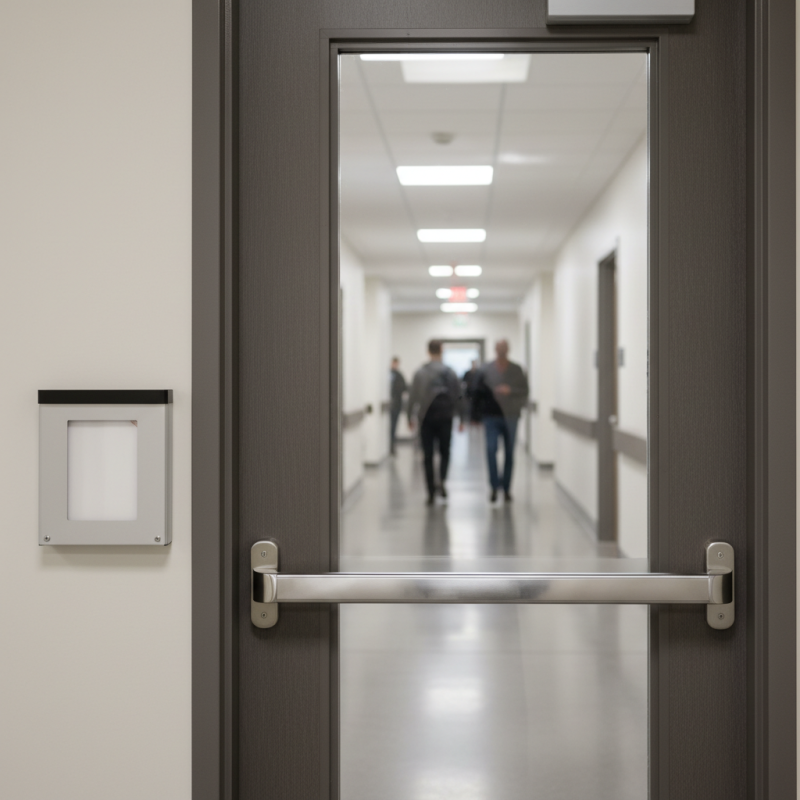
10 Best Tips for Choosing Push Bar Exit Devices?

Understanding the Importance of Push Bar Exit Devices

In commercial buildings, safety is paramount. Push bar exit devices play a crucial role in ensuring swift evacuations. A report by the National Fire Protection Association indicates that nearly 3,000 fires occur in commercial properties annually, often leading to panic. In emergencies, every second counts. Push bar exit devices facilitate rapid exits, as they can be opened with minimal effort. They are specifically designed for crowded spaces, where quick access to exits can save lives.

Proper installation and maintenance of push bar exit devices are equally important. The International Building Code mandates regular inspections, ensuring these devices function correctly. Surprisingly, many facilities overlook this requirement. In a survey, only 58% of businesses reported regular checks on emergency exit systems. This lapse can lead to critical failures during emergencies.

Training employees on the use of these devices is often neglected. Many do not understand how to operate them effectively under stress. Incorporating regular drills can significantly improve response times in real situations. The focus should remain on educating staff and verifying that exit devices comply with safety standards. Such measures enhance overall safety and preparedness in any establishment.

Key Features to Consider When Choosing Push Bar Exit Devices

When selecting push bar exit devices, specific key features deserve attention. First, the material used for the device significantly impacts durability. Stainless steel options often resist wear better than plastic ones. This choice can affect long-term performance, especially in high-traffic areas. Look for a device that meets standard safety regulations. Compliance with safety codes ensures that the exit device functions correctly under emergency scenarios.

Another important feature is the ease of operation. Push bars should require minimal effort to activate. This ensures quick exits during emergencies. Additionally, testing the push mechanism can reveal whether it is comfortable for users of different heights. While many devices have similar designs, user experience varies widely. Some may require more force than others, which could lead to frustration or delays.

Finally, consider the installation process. Some devices come with complicated instructions, while others are straightforward. If the setup is challenging, it may lead to improper installation. This can compromise safety standards. Seeking devices that provide clear guidelines can enhance reliability. It's crucial to balance aesthetics, functionality, and compliance for the best outcome. Reflecting on these features can lead to better choices in the future.

Evaluating Compliance with Safety Codes and Regulations

When selecting push bar exit devices, it's crucial to evaluate compliance with safety codes and regulations. These devices must meet national and local standards to ensure safety. The National Fire Protection Association (NFPA) outlines specific guidelines regarding egress. Proper installation is vital to avoid hazards during emergencies.

Exiting areas should have clear signage and unobstructed pathways. Regular inspections are essential to maintain safety. Any malfunction can lead to dire consequences in panic situations. Emergency lighting should illuminate exit paths, adding another layer of protection. It’s easy to overlook these factors, yet they determine the effectiveness of your exit strategy.

Consider the specific occupancy type when making your choice. Different settings may have unique requirements. For instance, healthcare facilities often have stricter regulations than offices. Collaborating with a qualified professional may answer lingering questions. They can guide you through the requirements, ensuring compliance. Not every decision is straightforward, and reflection can enhance safety measures considerably.

Push Bar Exit Devices Compliance Evaluation

Assessing Durability and Material Quality of Exit Devices

When choosing push bar exit devices, assessing durability and material quality is crucial. High-quality materials significantly impact longevity and functionality. According to the Door and Hardware Institute, nearly 20% of exit device failures stem from material degradation. Steel and aluminum are popular choices due to their strength, while plastic components may wear out faster under heavy use.

Examining the finish of an exit device is equally important. A resilient finish, such as powder coating, can protect against corrosion and wear. Research indicates that devices with superior finishes last up to 30% longer in harsh environments. Regular inspections can reveal hidden issues, like rust or cracks, but many installations overlook this crucial maintenance step.

Furthermore, the choice of materials should align with the specific environment. For instance, marine environments demand devices resistant to salty air. Interestingly, a report by the National Institute of Standards and Technology highlights that improper material selection accounts for over 15% of subpar installation outcomes. Ensuring appropriate performance standards is vital for safety and compliance.

Installation and Maintenance Tips for Push Bar Exit Devices

When selecting push bar exit devices, proper installation and maintenance are crucial. Ensure that the device is mounted at an appropriate height. This height should accommodate all potential users, including those with disabilities. Regular inspections can prevent malfunction, ensuring smooth operation during emergencies.

Routine maintenance checks are vital. Lubricate moving parts to avoid wear and tear over time. Test the device regularly by pushing it open. Pay attention to how easily it responds. A sticky push bar signals a need for adjustment. Document any issues you find; this creates a reliable record for future reference.

Consider the environment too. Dust and debris can accumulate, negatively affecting performance. Keep the area around the exit clear. This will not only help with function but also improve safety. Sometimes, making minor adjustments can significantly enhance efficiency. Reflect on the overall usability of the exit devices. Regular reflection on their condition and function can lead to better safety standards.

10 Best Tips for Choosing Push Bar Exit Devices

Tip Number Tip Description Installation Notes Maintenance Advice
1 Choose the right size for the door. Measure the door frame before purchasing. Regularly check for correct alignment.
2 Consider the security features. Install additional locks if necessary. Inspect locks quarterly.
3 Ensure compliance with local building codes. Consult local regulations before installation. Review codes yearly.
4 Select a durable material. Choose between steel and aluminum based on usage. Inspect for rust and corrosion periodically.
5 Determine the type of exit required. Assess foot traffic patterns. Test the device monthly.
6 Choose a reputable supplier. Research customer reviews. Set up a feedback loop with users.
7 Check the warranty. Understand warranty terms before buying. Keep warranty documents accessible.
8 Look for efficient operating mechanisms. Test functionality upon installation. Lubricate moving parts as needed.
9 Select a suitable color and finish. Ensure it matches the decor. Clean finishes to maintain appearance.
10 Seek professional installation if needed. Consider hiring certified professionals. Schedule an annual professional inspection.

FAQS

: What materials should I look for in push bar exit devices?

: Choose stainless steel or aluminum for durability. They outperform plastic in high-traffic areas.

How can I ensure a push bar is easy to operate?

Test the device to see if minimal effort is required. It should work smoothly for all users.

What impacts the lifespan of exit devices?

The quality of materials and finishes significantly affects longevity. A powder-coated finish can reduce wear.

Why is installation height important?

The device should be accessible to everyone, including individuals with disabilities.

How often should I inspect my exit devices?

Regular inspections are vital. They help identify issues like rust or mechanical wear.

What should I do if a push bar feels sticky?

A sticky response indicates a need for lubrication or adjustment. Address this promptly.

How can the environment affect exit devices?

Dust and debris can hinder performance, so keep the area around the exit clear.

What is the impact of improper material selection?

Choosing unsuitable materials can lead to installation failures. This can compromise safety standards.

Should I document issues with the exit devices?

Yes, keeping a record helps track ongoing problems. This aids in timely maintenance and safety.

How can I enhance the effectiveness of exit devices?

Regular maintenance and thoughtful adjustments can significantly improve functionality.

Conclusion

When considering how to choose push bar exit devices, it is crucial to understand their importance in ensuring safe and efficient building evacuations. Key features to look for include ease of use, reliability, and quick responsiveness in emergencies. Additionally, compliance with safety codes and regulations is essential to avoid legal issues and ensure occupant safety.

Evaluating the durability and material quality of exit devices can greatly influence their long-term functionality and resilience under stress. Lastly, proper installation and regular maintenance are vital to maintaining the effectiveness of push bar exit devices. By adhering to these tips, you can make informed decisions that optimize safety and usability in your space.

Sienna

Sienna

Sienna is a skilled marketing professional with a deep expertise in our company’s core products and services. With a passion for innovation and detail, she plays a pivotal role in crafting insightful blog posts that not only highlight the unique features of our offerings but also provide valuable......