Choosing door hardware is not just a style decision. The material affects how a handle feels, how well it resists wear, and how often it may need attention. What material is best for door hardware depends on where the hardware will be used, how often the door opens, and the finish you prefer. A front-door handle exposed to rain and salty air faces different demands from a bedroom knob used gently each day.
This guide compares five common choices: stainless steel, brass, bronze, zinc alloy, and aluminum. Each has practical strengths and trade-offs. Stainless steel is valued for corrosion resistance, while solid brass offers a substantial feel and can develop a natural patina. Bronze brings a distinctive, often darker appearance; zinc alloy can make decorative designs more affordable; and aluminum is lightweight and easy to handle. Small details matter. A surface finish can change how a material looks, but it does not necessarily change the underlying metal’s durability. Check product specifications, construction, and care instructions rather than relying on appearance alone. Even then, labels can be confusing, and no material is perfect for every home. The sections ahead explain what to consider before choosing hardware that suits your door, climate, budget, and daily routine.
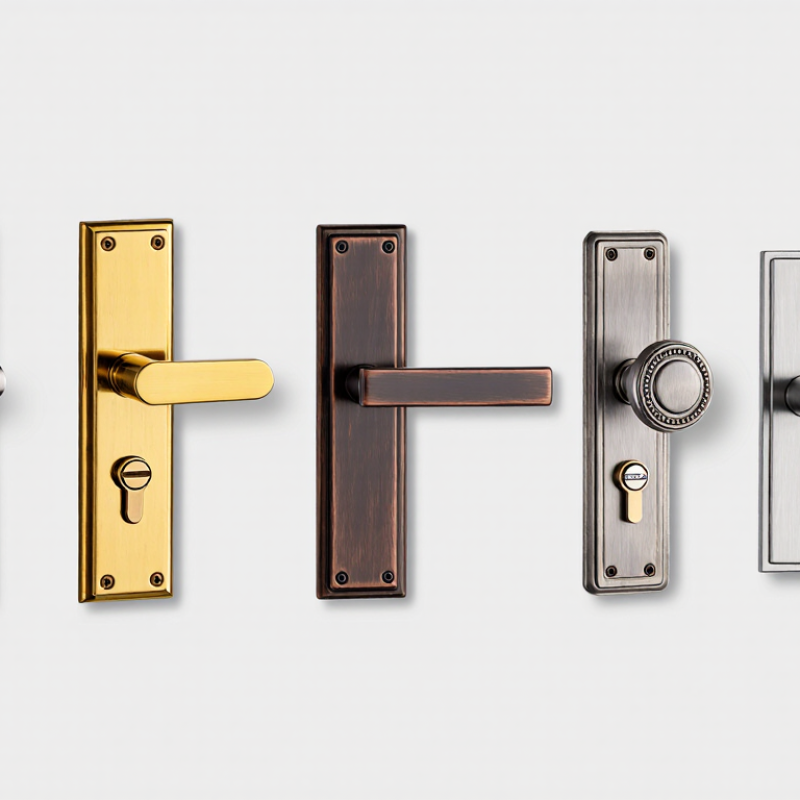
Brass feels substantial in the hand: a warm lever, a crisp latch, and a surface that can suit both traditional and modern doors. Its performance depends on the alloy, not just its color. The Copper Development Association’s alloy data lists C26000 cartridge brass as approximately 70% copper and 30% zinc. That composition helps explain why brass can resist everyday atmospheric corrosion while remaining workable for detailed hardware.
For a busy entry, look beyond the finish. Persistent moisture, coastal salt, and harsh cleaning products can damage surfaces; some brass alloys may also suffer dezincification, where zinc is selectively lost. Ask suppliers for the alloy specification and guidance on damp environments. A protective coating can slow tarnishing, but scratches expose the metal beneath. Small detail. Big difference.
Brass is durable, not maintenance-free. I would be wary of that promise; it makes material choice sound simpler than it is. Wipe handles with a soft cloth and mild soap, then dry them, especially near sinks or exterior doors. The trade-off is clear: lacquered brass keeps a more even appearance but can need refinishing if its coating wears. Unlacquered brass develops a changing patina, which some owners value and others find uneven. Check the hardware’s finish and care instructions before choosing.
Stainless steel door hardware is valued for strength, but its everyday performance matters just as much. A lever handle may be pulled hundreds of times a week, while hinges carry the door’s weight through repeated movement. Quality stainless steel resists dents and wear better than softer materials, helping hardware stay dependable in busy homes and workplaces. It also tolerates routine contact with damp hands and cleaning cloths.
Low maintenance does not mean no maintenance. Fingerprints can show on polished finishes, and salt or harsh cleaners may leave marks if they sit on the surface. A soft cloth, mild soap, and water are usually enough for regular cleaning; dry the hardware afterward to reduce water spots. In coastal areas, occasional wiping is sensible. Small effort.
The steel grade and installation still matter. Stainless steel with suitable corrosion resistance is a practical choice for humid rooms, but no finish is completely immune to neglect. Loose screws can also make a sturdy handle feel unreliable, so check them when the hardware begins to wobble. I used to think “stainless” meant carefree; that was too simple. Good material helps, yet thoughtful cleaning and a sound fit keep the door working smoothly.
Bronze is a strong choice for door hardware exposed to changing weather. Its copper-based alloys resist corrosion, though performance depends on the alloy, finish, and local conditions. Rain, damp air, and frequent handling gradually alter the surface. That change is part of its appeal.
The patina may deepen from warm brown to muted green or charcoal, depending on the metal and its exposure. It rarely develops evenly. A handle under an eave may stay lighter than one beside a rain-exposed door. Expect variation, not a perfectly uniform finish. On coastal homes, salt can speed surface changes, so periodic inspection matters. Bronze is weather-resistant, not maintenance-free.
For practical care, wipe away grit and moisture with a soft cloth. Use mild soap when needed, then dry the hardware. Avoid abrasive pads; they can remove surface detail or disturb a finish. Some bronze pieces are sealed to preserve a consistent color, while unsealed pieces are meant to develop patina. Check the care guidance for the specific hardware before applying polish or wax. Bronze may cost more than some alternatives, and its evolving color will not suit every design. That trade-off deserves thought.
5 Best Materials for Door Hardware: Which Is Best?
Zinc Alloy Door Hardware: Affordability and Design Flexibility
Zinc alloy is widely used for door levers, knobs, and decorative plates because it can be die-cast into detailed shapes. That flexibility matters. A curved lever, recessed grip, or crisp edge can often be formed with less machining than a similar solid-metal part. For high-volume designs, this can help control costs, though the final price also depends on the alloy, finish, and production quantity.
The USGS Mineral Commodity Summaries 2025 estimates global zinc mine production at about 12 million metric tons in 2024. That figure describes raw-material supply, not the price of finished hardware; it should not be treated as a cost guarantee. In daily use, inspect the finish around sharp edges and check that the lever feels firm when tightened. A thin or damaged coating may expose the alloy to moisture. I would not choose it blindly. For a frequently used entry door, compare the casting quality and mounting design, not just the shine. Zinc alloy offers useful design freedom, but its durability varies with construction and care.
Aluminum door hardware is valued for its low weight and practical corrosion resistance. A lever or pull handle feels easy to operate, even on a frequently used interior door. Light in the hand. This can help reduce strain on the door itself, though hinges and fasteners still need to match the door’s weight and use.
For bedroom doors, office partitions, and many standard interior doors, aluminum can offer a useful balance of cost and everyday performance. Anodized or quality-coated finishes add a protective surface and come in several understated colors. In damp locations, check the product’s corrosion rating rather than assuming every aluminum finish will hold up equally well. Salt air and cleaning chemicals can wear finishes over time.
The trade-off is strength: aluminum may dent or bend more readily than heavier metals under hard impact. I would not choose it by weight alone. Check the handle’s construction, mounting points, and compatibility with the door thickness before buying. A loose handle is frustrating. Retighten fittings periodically, especially on busy doors, and clean the surface with a soft cloth and mild soap. Abrasive pads can leave marks that are difficult to undo.
Brass can resist everyday atmospheric corrosion and remains workable for detailed shapes. A warm lever also feels substantial in the hand.
It contains approximately 70% copper and 30% zinc. The exact alloy still matters; color alone tells you little.
Persistent moisture and coastal salt can damage finishes. Ask for the alloy specification and care guidance before choosing. Small detail, big difference.
Yes. Wipe it with a soft cloth and mild soap, then dry it, especially near sinks or exterior doors.
Lacquered brass keeps a more even appearance, but worn coating may need refinishing. Unlacquered brass develops a changing patina, sometimes unevenly.
It can be die-cast into curved levers, recessed grips, and crisp edges. That flexibility can help control costs in larger production runs.
Not necessarily. Price also depends on alloy, finish, and production quantity. Raw zinc supply does not guarantee a low finished-hardware price.
Check whether the lever feels firm when tightened. Inspect sharp edges for thin or damaged coating, and compare the casting and mounting design. I would not judge by shine alone.
Choosing the right door hardware material depends on where it will be used, the style you want, and how much maintenance you’re willing to do. Brass offers a classic appearance, reliable durability, and good corrosion resistance, while stainless steel is valued for its strength and easy care. Bronze is a strong choice for outdoor settings, where it can withstand the elements and develop a distinctive patina over time.
Zinc alloy provides an affordable option with plenty of design flexibility, making it suitable for many indoor applications. Aluminum is lightweight and useful where ease of handling matters, though its performance depends on the demands of the setting. So, What material is best for door hardware? There’s no single answer: match the material to the location, expected wear, maintenance needs, and look you prefer.

Globe Hardware